
Strategies For Ecological Revolution From Below with Peter Gelderloos
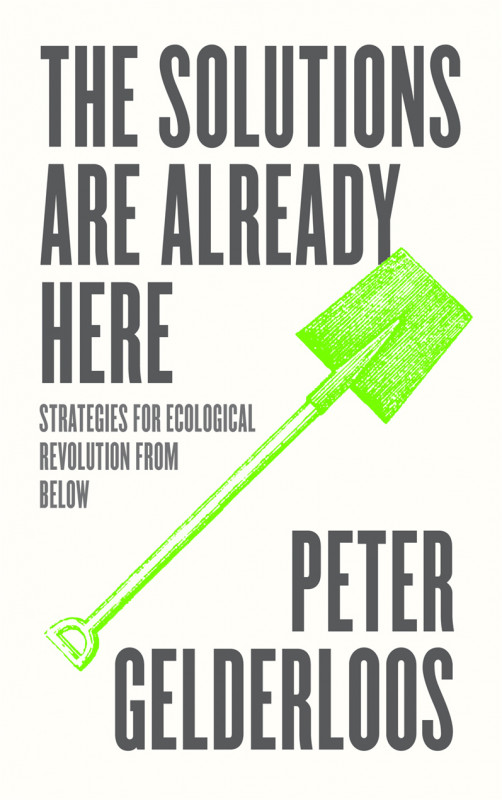
This week on The Final Straw, we’re featuring a recent conversation with anarchist author and activist, Peter Gelderloos about his latest book, “The Solutions Are Already Here: Strategies For Ecological Revolution From Below”, published by Pluto Press in 2022. For the hour we speak about critiques of science and Western Civilization that Peter levels, as well as the centrality of struggling on the ground we stand on, creating autonomous infrastructure, resisting colonial extractivism and the need for imagination and care as we tear down this ecocidal system.
Peter has prior authored such books as “Anarchy Works”, “How Non-Violence Protects The State”, and “Worshiping Power”, and you can find a number of his essays up on TheAnarchistLibrary.Org. You can also hear your interviews with Peter here: https://thefinalstrawradio.mayfirst.info/post/category/peter-gelderloos/
Related Interviews:
- Anti-Pipeline Interviews
- Resisting Nuclear Waste Storage in Bure, France
- Resistance to AMLO Mega Projects in Mexico
- Protecting Khimki Forest in Moscow
- Interviews about ZAD to block airport expansion in NDDL, France
- An interview about the ZAD du Testet
- Resisting a new airport in Yogyakarta, Indonesia
- Tiny House Warriors
- Gidimt’en Access Point
- Mel Bazil on Unist’ot’en
- Resisting Gold Mine in Chalkadiki, Greece
- Serbian Resistance to Hydroelectric Dams
- No-TAV struggle in northern Italy
- Likhts’amisyu resistance to colonialism in so-called Canada
- Ecological struggles from PATIKA by DAF in Turkey, which is part 2 alongside of part 1 of our discussion with DAF
- Resisting the destruction of Hambacher Forest in Germany
- Errekaleor Bizirik squatted neighborhood in Euskadi
- and more…
Announcements
Call In For Eric King continues
Anarchist and antifascist political prisoner, Eric King, has been transferred from Grady County Jail (where we spoke to him from for our April 3rd episode) to USP Lee in southwestern Virginia where he and his loved ones are afraid he will be put into solitary and attacked where there will be no witnesses. This comes directly after he won a trial against the federal Bureau of Prisons showing that he had been set up and punished for false reasons, subjected to obvious acts of petty and not so petty vengeance by the corrections officers, and in spite of the fact that his security level should have him at a medium security facility rather than a high security like Lee. There is a continued call-in campaign that his supporters are asking y’all to participate in. You can find more information in the show notes or at SupperEricKing.org as well as on the twitter, facebook and instagram pages for the under the name @SupportEricKing.
May Day
May Day is coming up real quick, y’all. The first of May has been known as a festival of spring bounty from pagan times in Europe, and has been celebrated by anarchists, socialists, communists and labor activists to commemorate the 1886 struggle for the power of workers against the capitalists and state and the remember the Haymarket Martyrs. We have a couple of episodes featuring content about May Day that we’ll link here, but this is just a quick note to find other comrades and fellow travelers this May Day, there may be something going on in your area. And if there isn’t, maybe you can organize an event with you friends!
. … . ..
Featured Track
- The Commons by Sole and DJ Pain 1 from Post-American Studies
. … . ..
Transcription
TFSR: So I’m very happy to be speaking with anarchist author Peter Gelderloos. Peter’s latest book, The Solutions are Already Here: Strategies for Ecological Revolution from Below is just out from Pluto Press, I just got my copy in the mail. Super stoked to get it. But welcome back to the show, Peter.
Peter Gelderloos: Thanks for inviting me, again.
TFSR: Facing the challenges of increasing climate chaos and its impact on life on Earth, feels really, really fucking daunting. Without thinking through the idea of like some centralized grand and technocratic response – which is kind of how I feel like I’ve been trained to think about big problems as big solutions – and not that that seems likely when countries at the industrial core aren’t even able to hold themselves to, you know, self imposed limits of cutting back on producing greenhouse gases, or even coordinating and distributing free vaccines to stop a pandemic.
So I’m sure I’m not the only one that’s head is kind of spinning when I try to think about the looming and existent climate disaster. How does this book kind of help to challenge that framework and mindset of expecting big centralized solutions to the problems that we face?
PG: Well, when you look at the history of how states have been dealing with ecological crisis, first of all, they’re very reductionist. They reduce a complex, multifaceted ecological crisis, which ties into so many problems – social and environmental – they tend to reduce it to emissions, greenhouse gas emissions, only to climate change. And they do that in large part not only because they don’t want to recognize many of these other problems, but also because technocrats need to simplify problems in order to reduce it to data that can be plugged into their machine, right?
So even though they’re they’re reducing it just to climate and they’ve been aware of the danger of climate change – like the US government recognized it as a national security problem already back in the 1960’s – their responses have been militarizing borders and increasing the deployment of militaries for, you know, so called disasters, natural disasters, and things of that nature. And then also making big agreements that have done exactly nothing to slow down greenhouse gas emissions.
So even within their reductionism, they don’t do a good job of dealing with the one part of the problem. And the other part of the problem that they recognize is actually bad for us: increasing militaries, militarizing borders and all that. So they are viewing the problem with interests that are diametrically opposed to the interests of living beings like ourselves. The larger part of it they have to ignore, and then of the part that they look at, half of it they don’t get right, and the other half they deal with in a way that that actively harms us.
We’ve also seen in a lot of these so called “natural disasters”, that the most effective responses for saving lives are responses that happen on the ground. It’s not the militaries, its neighbors, its regular people organizing themselves spontaneously with the logic of mutual aid. That’s what saves the most lives, we’ve seen that time and time and time again.
And absolutely, we are totally conditioned to rely on on the government to solve things for us, or, you know, major corporations, techno wizards like Elon Musk, or whatever. And that’s in large part because we’re forced into a situation of dependency and passivity and immobilization. Which is a very depressing position to be in normally, and it’s an even more depressing position to be in when we see the world dying around us. And so it’s completely coherent and consistent with that forced dependency and forced immobility to just either look the other way, or cross your fingers and hope and pray that, you know, some big godlike figure will come along and solve it for us. But it’s this big godlike figure that caused the problem and that is continuing to aggravate the problem.
So, actually, you get more intelligent solutions to problems from people who have on the ground knowledge, from people who are familiar with their territory, know that the resources they have. And it’s equally global, it’s just coming from the territory, it’s coming from below, rather than coming from either you know, boardrooms or situation rooms, where they’re not looking at the territory, they’re looking at maps. And they’re above all looking at their own interests of maintaining control. Because their ability to do anything in response to the problem is, in fact, predicated on our immobility, on our dependence, and our enforced passivity.
TFSR: So there’s almost like a sort of Stockholm syndrome that a lot of us – through the socialization from the state – have where we identify the the methods and the impulses of government in scary situations as being somehow salvatory, as opposed to sort of counterinsurgency constantly being operated for the continued extraction of resources.
PG: Absolutely. And I’m glad that you brought up counterinsurgency because that is one of the most important theoretical lenses to use to understand both ecological crisis and government, corporate and NGO responses to that crisis.
TFSR: A thing that kind of refreshing about this book is the radical critique of Western civilization as the vehicle for many of the woes that we experienced today. I appreciate that you attempted to undercut the misconception, right off the bat, that human nature is the cause for the destruction that we’re experiencing around us, or that there are too many of us or too many of certain kinds of us on the planet. Can you talk about the ideas of the Anthropocene or arguments around overpopulation, and why they present kind of a misdirection when seeking causes of anthropogenic climate change and resolutions of finding balance with the world?
PG: Yeah. Human beings have been around for a really long time, depending on you know, when exactly you identify the beginning of anatomically-modern human beings, tens of thousands, hundreds of thousands of years. Hominids with similar capabilities for longer. And the problems of destroying the ecological basis for life on this planet, for a great many species is a recent problem. And even the problem of causing ecological collapse in just one bio region is, in the broader timeline, a recent problem with maybe like four thousand years old, some of the earliest examples. And, again, some people – because we’re taught to view human history in this way that ends up being very white supremacist but focusing on the history of States – some people take that to mean “Oh, well, for the last four thousand years human beings have been destroying the environment. So you know, that’s what’s relevant.” No, for the last four thousand years humans have not been destroying the environment. A very small number of human beings have been doing that in a very small part of our overall territory until much more recently. And all across the world people fought against getting forcibly included in this new western model of being human. We do have examples of non-western cultures also destroying their soil or destroying their forests, destroying their ecosystem, but they weren’t nearly as good at it as Western civilization is, and that’s the dominant model, that’s the most relevant one to talk about.
So you know, that other question is relevant for the theoretical exercise of like, “okay, what exactly are the more destructive, or the healthier, forms of social organization?” but in the current media environment most people will bring up this kind of somewhat trivial fact at this point that maybe two thousand years ago, or one thousand years ago on another continent, a completely non-western society also caused major erosion. And that’s just an instance of deflection away from the fact that the problem that’s currently killing us is Western civilization.
So, you know, there are works that, for example: Fredy Perlman’s Against Leviathan that try to define what the problem is more broadly, but in the situation where we’re in right now, where species are going extinct at an accelerating rate, where millions of of humans are already dying every year because of the effects of this ecological crisis, and so many people are losing their homes, losing their land, losing their access to healthy food. The problem is the civilization, the modern state, the capitalist system that arose – centered in Europe – but also simultaneous to this process of mass enslavement in Africa and mass invasion, colonization and genocide in the Americas, in Africa and in Asia and Australia. That’s the problem.
If you take any criteria beyond just greenhouse gas emissions, it becomes very clear what’s the social model that is putting us all at danger. And even if you reduce it just to greenhouse gas emissions, you kind of avoid looking at the historical roots of the social machine that’s causing so much death and destruction. But it’s still very clear that Western civilization and the economic model that it forcibly imposed on the rest of the globe is the problem.
TFSR: So, one thing in the book you also say is that it’s necessary for us to critique science because it’s so shaped by those institutions who wield it, fund it and command it. Can you talk about this and how it differs from an anti-rational rejections of science for the sake of faith structures, or antimodernist frames of some anti-civ perspectives? And maybe speak about how you’ve observed our movements, or movements that you find inspiring in this framework, how they’ve been making and imagining their own science?
PG: Yeah, I mean, first off, maybe this is more semantical but like, I do think a critique of rationalism as a worldview is important. But then again, different people would mean very different things with that.
So just to focus on your question: in practice, in the real world, the scientific method cannot be divorced from the scientific institutions that currently control or manage the vast majority of knowledge production via the scientific method in this world that we inhabit. You know, I love science fiction, we can imagine other worlds but that’s the case in the one that we inhabit.
One thing that I think is important to recognize is that the scientific method is a very valid method for knowledge production, for falsifiable objective data. I think it’s also important to recognize that that’s not the only kind of knowledge. That there are many other kinds of knowledge that cannot be produced by the scientific method and that we run into… First of all there’s been no social system in the history of the world that I’m aware of that has ever relied only on that kind of knowledge. And our current “rationalist” society – speaking about rationalism as a sort of mythical worldview – uses a great deal of like non-falsifiable and subjective information, but they pretend that they don’t as part of this mythology. Which is very, very important to certain people, academics and whatnot.
So it’s important recognize, I think, that that’s not the only form of knowledge. And like, so a brief example of this: we can even see this when we get beyond the importance of, for example, emotional knowledge. How to deal with people, with other people in groups, how to take care of people, you know, this is something that’s actually incredibly important. And it’s amazing how easily it can be dropped by the wayside because it’s not reduced to numbers.
But for example we can look at health care. So there are forms of healthcare that are much easier to evaluate using the scientific method. And there are forms of healthcare that are much harder to evaluate using the scientific method. Finding out what happens when you dump some drug in a human body is much easier to evaluate, because the person who’s administering the drug doesn’t need to know anything about it. And they don’t need to know anything, or barely anything, about the person that they’re administering it’s to. And that’s sort of like the point of that whole methodology of treatment. Whereas other forms of treatment require much more subjective approach, a much more modeled approach, to the specifics of the person who’s being treated and they require a much more developed skill set to be able to deliver the therapy in an effective way.
So that’s not the fault of the therapy, that it can’t be evaluated as well by the scientific method. That’s a limitation or fault in scientific method. But we live in a society that’s so mechanized and that loves to be able to have – it’s in fact built up on – knowledge forums that can be plugged into the machine, and spit out the numbers. So it’s a society very much based on mechanical reproduction. That kind of society is going to favor the treatments that can be evaluated by the scientific method, and it’s going to disfavor or discourage or hide the treatments that can’t. And a year does not go by without us finding out about how damaging some form of medication was, or how damaging this blindness towards certain forms of therapy and care were.
And that doesn’t that doesn’t invalidate scientific knowledge production, but it does certainly speak to the question of social machinery. That it goes beyond just the question of, like, “Can we test this? Is it valid or not?” It’s that in fact, in practice, we can’t separate it from the question of social machinery.
What does that have to do with the ecological crisis? I already mentioned the reductionism of a multifaceted, very broad, very complex ecological crisis to climate change. That’s symptomatic of what I’m talking about. Climate change is something that’s more easy to quantify. We can measure it in temperature, we can measure it in parts per million carbon dioxide, we can measure it in emissions. Whereas things like what I know about the place where I live, what I know about the health of the soil in the place where I’ve lived for the past seven or eight years, is not something that I can quantify. But I know it, I think much better than someone who might come by and take a sample from a laboratory and test it but then not have any further relationship with the land. Someone who’s not out there taking care of these olive trees or planting a garden, year after year, and wondering when the rain is going to come and feeling it in their bones how this territory is desiccating. And how we actually need to start doing things now and fast as this climate becomes more of a desert. Because there are dead deserts, and they’re living deserts. And this land right here, where I live is going to become one or the other depending on what we do.
And the people in the laboratories are way behind the game and they have a lot less to offer. They do have things to offer, like there are certainly moments in which my gardening and other people’s gardening can be complemented by having access to that chemical test from the laboratory. And you know, that would be great to have that kind of complementarity, to have even solidarity at that level. But usually you don’t have that because our systems of knowledge are gaslit, we’re excluded from the resources that we would need to be able to access that and the people in laboratories generally have no idea what they’re talking about and think that they have access to some absolute, an all encompassing truth. And that’s problematic.
So yeah, there’s absolutely a possibility – I mean there should be a great deal of dialogue between different kinds of knowledge, including knowledge that’s produced through the scientific method – but we don’t have a lot of that now. And when you we look at how history has actually unfolding, the data produced by powerful scientific institutions regarding climate change has not been wrong, per se – the broad strokes of it have been correct, like for a while now they’ve been predicting what’s going to be happening, and it’s been happening – but it’s been quite conservative. Time and time again they’ve been way too optimistic in their predictions, and the kind of red lines or warning marks or benchmarks or whatever that they set are getting exceeded, they’re getting past years and decades in advance of their particular predictions.
So in terms of the precision of their predictions, they have high precision predictions. Like, me looking at the soil and the rain clouds or you know, someone who’s actually lived there their whole life and has access a lot more ancestral knowledge that I don’t have access to, they’re not going to be able to come up with like a high precise prediction of like “Okay in 20 years this is going to happen” but I think they will get a much more accurate prediction. Whereas the scientific institutions have had high precision and low accuracy. So they’ve actually been wrong in a dangerous way again and again and again. And I don’t think it’s a coincidence, given their proximity to and affinity with the institutions that are most directly responsible for the destruction of the current global ecosystem.
TFSR: So yeah, I guess that’s a good clarification is like systems of knowledge rather than sciences. And as you say that seems like the need from the Western civilization, or the organizations that are working within it, to have crunch-able numbers and quantities that they can put into their figures. Seems like it would also not only would it limit the output information but it probably blinds the people that are making the measurements, even if they’re trying to make the right measurements to see the actual outcomes.
The approach of looking systemically and trying to say that, in fact, all of these systems and how they correlate to each other can fall under one umbrella that we call “Civilization” and its colonial impulse, or “Western Civilization” and its colonial impulse, when people see a critique that is that large, oftentimes people will say, “Ah, but there are things that we have gotten from this system”, they will say that. They will say that capitalism has driven innovation and the creation of certain kinds of knowledge or certain kinds of technology that have benefited human life in a lot of ways. For instance one thing that they can point to is around medical science. And as you said, there are some treatments that have proven to be not so much treatments as poisons. It’s not a like an assured thing that medical science will resolve issues, but there are a lot of technologies that have been developed and applied over the centuries that are positive. And I could see someone saying, “well do I choose between the current structure and like small reforms within it, or supporting a sort of revolutionary alteration in the productive models, the distribution of resources and capacity to produce these technologies that are saving my life, or making it so that I can be mobile, or extending life” for folks that have very serious medical issues for instance?
There has been critique, for instance, of criticisms of modern civilization that came out of Earth First at its beginnings, or other pro-ecological movements that look at not human beings as the problem necessarily, but technological development as being – and the sciences and the knowledges that come out of that, not to say that they’re just produced from that, but that are applied there. Saying “if the government fails, for instance, or if the economy scales back, I’m not going to be able to get my medication and I may die”. Can you talk a little bit about the sort of reticence that someone would have of trying to approach a degrowth of the economy and the government, because they’re afraid that what safety nets exist for them currently would no longer be there, and they wouldn’t survive it?
PG: Yeah, that’s definitely a very legitimate way to address questions of social change. And I think it’s actually super important when we inhabit our own bodies, our own experiences and needs when we’re talking about proposals of widespread social transformation, and struggle, generally.
I think it helps to primarily consider two different things. One is that if we break out of an individual’s framework – which, like I said, that concern that you’re posing is very important, there’s also an iteration of that concern which is very dangerous. Because if we make a critique of Western Civilization on the basis of how many people it’s killing, how many millions of people are starving to death because of this model, all of the forests and ecosystems that are getting destroyed, it can be dangerous. You definitely don’t want to go into a framework of “it’s us or them, someone has to die in this situation”.
So first off, I think we need to break out of any kind of individualist or competitive conception of this problem. And if we look more systemically, or if we look at health as a collective good, the healthiest possibilities for human society are ones in which people have a healthy reciprocal relationship with their environment. They have access to the commons, they have access to a very diverse and healthy diet that is locally adapted. And that is, in fact, based on brilliant technologies that were thousands of years in the making, that existed in every territory before colonialism, which is a technology without whirring gadgets and lights and bells and whistles but it’s the technology of how we build up our survival mutually with the other organisms around us, with the other living beings around us. Many of those technologies still exist. And so without colonialism, with access to that commons, with access to that kind of rooted, territorial, popular and ecological technology, that is the best hope that a human community has for health. For the healthiest lives possible for all their members. So that’s one thing that I think is really necessary to acknowledge. That we live in a system that produces a disease, that produces death and that’s a huge problem that we can’t sweep under the carpet.
The other good thing is that when we destroy governments and capitalism, everything that they own, everything that they think is theirs, everything that they blackmail us with – because they control access to it and we have to spend our lives working to try to get a small piece of it – it’ll be ours. And so once all the rich people are gone, and once all the cops and all the politicians are gone, all of that will be ours. And we can decide to get rid of it, we can decide to keep it, we can decide to make it ourselves in under much better circumstances. So things like medicine we’ll obviously keep making and we’ll find ways to make it that are healthier, we’ll find productive processes that are less damaging for the environment. And we’ll also be changing our living conditions so as few people as possible need access to those technologies, but those who do need that access will get it.
And then we’re also forced to deal with other other technologies, like nuclear reactors and nuclear bombs that the state has saddled us sadly with the necessity to mediate those in the best way possible, because they’re not going away for, you know, forever. Some of those radioactive substances will be around for billions of years, so “thank you, government!” But we will do a better job of handling that than they do. Because we care about us. And because we’re actually good at organization when we get the chance. In the US every single nuclear waste storage facility has leaked at one time or another. So they’re crap at it and they’re also to blame for it. On my worst days, I definitely fantasize about, you know, locking them all in the nuclear storage facility, there’d be certain poetic justice to that.
But thinking about it more realistically, and in the question of our needs, all of it will belong to us for better and for worse, and we’ll figure out how to take care of us. And we’ll do a much better. Even though lately in our movements, it’s pretty depressing, because we’re I think learning a bit too much from the system we live in, and we’re doing, frankly, often a pretty terrible job of taking care of us. But we can do much better than the state or capitalism ever could.
TFSR: Yeah, and they’ve had the opportunity to prove that already. And there’s tons of people that, you know, in as far as distribution of treatment methods for things, or COVID vaccines, or whatever, like, they have proven that it is not in their interest, it is actually in their interest to deny large swaths of the population any number of these things so that they can mark up the price and make more money off of less.
PG: Yes.
TFSR: So some of the most inspiring parts of the book, for me, were the examples of resistance to mega projects, to the expansion of colonial extractivism as well as to some of the alternative movement experiments and infrastructures that you highlight and that you get voices from, which is great. Were there any that you wanted to include but you just didn’t have time to fit that you might share with the audience?
PG: Um, there are definitely some. There are some cases where I was looking for interviews and I wasn’t able to get in touch with the comrades who would be able to speak from personal experience about those struggles, or I was able to get in touch but they were in the end too busy to do interviews, because things are pretty difficult. And so I can name some of those, maybe for people to look at the more, but I won’t go into them precisely because I wasn’t able to learn enough about them.
So, for example, in the movement in Kurdistan, an ecological focus is a large part of the analysis. And it’s a territory that’s been very damaged by war, by desertification, by forced impoverishment coming from the various countries, the various states, that control Kurdistan. And so I know, in fact yeah some friends helped put out a book about some of the experiences in trying to helped make that desert bloom. But yeah, the comrades, it’s been, of course, a rough time over there so the comrades weren’t able to give an interview about that. So that didn’t make it into the book.
Let’s see… There are many, many very interesting struggles in India. I mentioned some of them on the basis of already published research, but I wasn’t able to arrange any interviews with comrades there. India’s interesting because there are very, very different experiences of reforestation, that demonstrates, again, just how we can’t really trust the media, how we can’t trust governments when they talk about this. Because reforestation means completely different things depending on on who’s saying it, and a lot of forms of reforestation are very, very bad for the environment. They’re basically things that, say, like a government like Chile will do to be able to get counted as like a negative carbon emission country, so then they can make money with carbon trading. When, like, in Chile the reforestation is very much an industrial activity which is which is bad for the environment, very bad for the soil, bad for the water table. And it’s very much a colonial activity, because it’s taking place on the lands of Indigenous peoples who are in the process of trying to recover their lands. And a huge part of that process is trying to win back their food autonomy.
So forests are important. And forests can also be edible forests. These pine plantations, these mono-crop pine and eucalyptus plantations that are being planted by the official institutions, are definitely not food forests. No one can feed themselves off of them. But also agricultural fields are important for a lot of people’s to feed them selves. And the official reforestation happening in Chile is often used as a weapon against Indigenous struggle, against the struggle, for example, of the Mapuche for food autonomy, for getting their land back and being able to feed themselves off of their land using traditional technologies and whatever modern or Western technologies that they feel like adapting. That’s up to them. And to the extent that they can do that, to the extent that they have food autonomy, they have a vastly increased ability to fight back against the colonizing state because they’re no longer dependent on global capitalism. And they’re no longer dependent on the state that they colonizes them.
And so in India there’s some really great examples that really contrast how ineffective and also how damaging state-led efforts for mass reforestation are, how they just respond to this technocratic impulse to produce numbers on paper – when on the ground it’s a completely different story – versus communities, many of them Indigenous communities, that have been undergoing very, very effective, large scale forms of reforestation that improve soil health, that increase the possibilities for food autonomy, the increased quality of living, and that, you know, helped create more robust ecosystems with habitat for other species and in addition to just humans. So I would love to one day meet comrades who are participating in that because there’s some really powerful struggles happening there.
TFSR: Well, you do put the invite in the book for a longer extended, like, sequel if folks had more stuff inspired along those lines. So if any listeners are out there and want to write that book, I would love to read it.
Over the years, we conducted a couple of interviews with Anne Peterman from a group called “No GE Trees”, who was talking about that struggle in Wallmapu and – because they were similarly trying to build solidarity with resistance to that sort of mono crop forestation that damages the soil, that depletes the water tables, that denudes the landscape of the vitality and the variation that’s required for native species to exist in it throughout actually the US South – so people were protesting in the Asheville area in solidarity with not only resisting GE Tree plantations in the southeast, but also in Chile.
And a lot of those trees, they’re not good for a lot of things, they’re not good for making lumber out of, especially eucalyptus. Growing up on the West Coast…they’re not good for windbreaks, they got planted for windbreaks, they’re not good for railroad ties, that’s what they got planted for at one point, but they get chopped up after a couple of years of growing, so not even creating a mature forest, and processed down into wood pellets, and then sent to Europe so that European governments can claim that they’re using a renewable source of energy production. It’s just this game of shells with carbon and basically pollution and degradation. It’s a continuation of the extractivism of neocolonialism.
PG: Absolutely.
TFSR: We’ve already seen a measurable connection between climate change, the disruption of food production, exacerbating conflicts, and being used as a weapon against Indigenous communities as you’ve noted, and resulting in increased refugee movements and displacement. As a result, right wing tendencies have welcomed an escalation of conflict and inequality, the building and buttressing of physical and metaphorical walls, and the acceleration of fossil fuel extraction to suck out every drop of profit that can be withdrawn before it’s too late. And to be fair, I say, “right wing”, this also goes for centrist neoliberal regimes as well but the rhetoric looks more actively genocidal oftentimes, and facilitates extraparliamentary violence when it comes from the far right, usually.
Would you talk a bit about the importance of the increasingly, in some ways, difficult project of fostering internationalism and inner communalism against this, nationalist tendency as the climate heats up?
PG: Yeah, obviously the far right, and neoliberal centrist more so, have a lot of advantages because they have access to resources, they get a lot more attention. They’re taken seriously. So even a lot of centrist media that pay attention to the far right in a disapproving way still help them out more than the way that they treat like truly radical transformative revolutionary movements by just ignoring them. Because we’re kept in this in this permanent place of either not existing or being infantilized and we have, as you pointed out, we have a lot of work to do on this front.
And we can also talk about forms of internationalism that are very damaging. This is a kind of internationalism, which is completely under the thumb of, you know, colonial or neocolonial institutions. It’s this worldwide recruitment that takes place, largely through universities of – sometimes in a limited fashion it’s been analyzed as a Brain Drain, but I think it goes beyond that. Basically training and recruiting people from all over the world to participate in this system – whether it’s under the auspices of the United Nations, or under the auspices of some prestigious university in the Global North – to create an internationalism which is a completely monistic, technocratic, simplified worldview that builds consensus about what the world looks like, what the problems look like, and what the solutions are, within elite institutions that are completely cut off from all of the various territories of the world, even as those institutions increase their recruitment to a global scale. So that they have representatives or spokespeople from all the different continents from all over the world but they’re brought together in a sort of epistemological, technocratic space, which is completely a reproduction of colonialism, and makes it flexible but furthers the dominance of Western civilization, of white supremacist civilization.
And so that’s the kind of internationalism, which is very, very present, and it has access to a great deal of resources. And on the other hand, in the Global North, we’re not doing a nearly good enough job to create a very, very different and subversive kind of internationalism. And the comrades who are doing the best job of that tends to be migrant comrades, comrades who have who have migrated, who have crossed borders. I think a lot of folks who grow up with the privilege of citizenship in the Global North, if they do travel, if they do try to get like a more global perspective, it’s often still done in this individualist way that has a lot more to do with tourist vacations than with the needs of revolutionary struggle. And so we don’t have – I mean we don’t really have communities in the Global North, because the triumph of capitalism is so complete – but we don’t have radical groups that are attempting to be communities that pool resources in order to intentionally create global relationships of solidarity with communities and with struggles in the Global South that they could actually be supporting, and that they could actually be creating dialogue with to develop the rich, detailed, global perspectives that we actually need, as well as the possibility for global solidarity.
So, yeah, in the book, towards the end, I do this exercise of imagining what if we’re actually able to do what I’m talking about. Or what I’m trying to argue in the book is like a real model for a revolutionary transformative response to the ecological crisis. And so since I’m talking about the need to root ourselves in our territory, I imagine “Okay, here we are in Catalunya, what does this look like over the next few decades?” And one of the first things is in Barcelona and Tarragona we have these big ports with these big old ships that are currently moving merchandise all around the world. And that’s something that on the one hand it needs to stop because of how much that’s based on fossil fuels and on unnecessary consumption and all the rest. And the later timeline, in that chapter of the book is, you know, maybe much more beautiful and romantic, imagining there’s no more borders and people can traverse the world in sailboats, which are sailboats that have been expropriated from from the wealthy, who of course no longer exist. And and I think that’s a beautiful thing to imagine.
It’s really nice to think about a world that we’re actually allowed to live in, and that people all over the world can travel and go where they want. But right now we have the ugliness to deal with. And so in those ports, there are fuel reserves that have already been dredged up from the earth and there are these big ocean-going cargo ships. So there’s a part that talks about expropriating those cargo ships, getting in touch with revolutionary comrades in the Global South that we already have a relationship with and finding out what they need.
There’s the example of early on in the pandemic, both in Catalunya and another territories, workers taking the initiative to re-purpose their factories to make parts for respirators in a way that was faster and more agile than the capitalist were able to do. So kind of taking a cue from that I imagine this process of, okay, instead of sending merchandise, which is just furthering a relationship of dependency – I was speaking with this one comrade from Venezuela, other comrades from from Brazil, like a major thing is their economies and their material environments have been intentionally structured in a way so they don’t have a lot of very basic things that they need, that in Europe or North America would be easier to find. So for example, like basic machine parts for the machines that would be needed to process food. Not even talking about some hyper industrial and unnecessary endeavor, but basic things like harvesting, threshing, and milling grains, for example. So instead of, you know, a relationship of dependence, where this really fertile territory, like Venezuela, gets grain imports of European grains that Indigenous and Afro Indigenous populations have not been traditionally consuming and that are certainly less healthy – so, basically supermarket food. Instead of importing supermarket food, this short term process of exporting those cargo ships, re-purposing factories from the automotive industry to make some of these simple machine parts, and then using the existing fuel reserves to send off these cargo expropriated cargo ships, so that in these other territories that are colonized, neocolonized territories, that we have a relationship and solidarity with, they can create their own material autonomy and break that dependence once and for all. And then we’re also not just navel gazing and thinking “how are we going to survive the climate apocalypse and making sure that our bunkers are well stocked?” But we’re actually thinking about collective survival in a way that is solidaristic, in a way that is realistic, in a way that is global, and in a way that recognizes our responsibilities, given the past and present of colonialism and white supremacy.
TFSR: Yeah and I would say that the one group that I’m familiar with that really has continued doing a good job on the subject of building or continuing solidarity across the borders is Zapatista structures. In the US there is still, despite the fact that the Zapatista revolution happened 30 years ago, and there are still active, six declaration Otra Compaña groups or whatever that are around all sorts of parts of Anglo dominated North America, Turtle Island. Like, it’s just astounding, and I wish – but people did it really well during that period of time. And I think that that’s something that’s been lost is these clear lines of communication, and the building of inspiration, the sharing of knowledge, of experience across that border to the south of the nation state that I live within the borders of. There’s so many overlaps, and labor struggles that happen. There’s so much cross border transit of goods and I have so much more in common with people across that border than I do who fucking run those corporations here.
PG: Yup.
TFSR: Another point that I really liked in the book – and you approach this in a number of different ways, or I read this in a number of different places – talking about the importance of territorialization. And maybe that’s the wrong term, but being rooted in the land base that you’re in, listening to it, trying to understand what it teaches and how to live with it. Recognize how other people have done that, and like rooting your struggle in a sense of place. And this is one of the reasons that some of these anticolonial and anticapitalist resistance movements in different places around the world look so different is because they’re rooted in different legacies and practices, religions, languages, and experiences of colonization. And I really appreciate the fact that you point this out and you say, “Look, don’t expect everyone around the world to circle their A’s, or to use the term ‘autonomy’ necessarily for what they’re doing. But just recognize similar traits among people that you can have solidarity with in the struggle against global capitalism and colonization”. Can you talk a little bit about some of these similar traits, how you kind of identify these like versatile strategies?
PG: Yeah. So yeah, I think I do use the word “territorialization” or “territorialized” and that’s largely coming from Catalan and Spanish. In English “territorial” tends to be an ugly word because it’s associated with possessiveness, with drawing borders. I find it a very useful concept that’s used here so I just started using it in English. I would just encourage people to look at the roots of that word, “terra” or “tierra”, like the earth. A relationship with the earth not as like this big, abstract blue planet floating in the void but the earth under our feet.
So it’s interesting because you’re asking about similarities – oh god this is gonna sound like some cliched bumper sticker or something like that – but my first response is to say that the similarity is in the difference. Because in an act of war against this world of supermarkets and Amazon and smartphone screens which impose this secretly white supremacist homogeneity, when you territorialize you are becoming part of a long historical tradition that is so so so specific to the exact place where you live and nowhere else. So that means eating different food, cooking it in a different way, pruning different trees, it means speaking a different dialect of a different language. It means things that at first glance are maybe more defined or marked by their difference, but when you when you see like gatherings of peasants from different countries around the world, or gatherings of gardeners, gatherings of revolutionaries who very much believe in being territorial in this sense that I’m trying to talk about it, who believe in having their roots in the ground beneath their feet, and fighting from that relationship and understanding themselves within that relationship…
One thing that strikes me is how much pleasure there is in sharing “This is how you do it? This is how we do it. Oh, this is what you eat? This is what we eat.” And so even on the face of it, the color of that, the texture of that seems to be bringing out differences but I think that really what’s the conversation that happens there – and it feels this way to me like insofar as I’m this alienated exsuburbanite who is engaging in relatively later in my life, to a limited extent has felt this way – that like, beneath the words, there’s the sort of language of love which is completely an exercise in sameness. Not the sameness of homogeneity, but the sameness of “We’re living beings in this earth and we love the Earth, it gives us our lives, we love the other living beings around us.” And so really people all across the world who are living in autonomy and calling it different things and using very, very different technologies and eating very different foods, and all the rest, are on a deeper level doing the same thing, and I think can often recognize ourselves in one another.
TFSR: I guess jumping back to a reference that you made a little bit ago, I was very moved by your chapter, A Very Different Future, where you were describing – this isn’t the primary part of it, the first part of it at least you were describing – an alternative view of where we might be if we go down this path and sort of a best case scenario of how reframing and healing the world could look. I feel like though there is a lot, lot of doing needed to change the course that we as a species are on – or that we who live under the civilization, are forced to live another civilization live in… One of the primary challenges that we face is one of imagination. Because imagination feeds the soul, it’s a playful creativity, it’s a necessary part of, I think, what it is to be alive. Can you speak about this, and sort of point to any projects or movements or people that you think listeners might appreciate in terms of having a radical imagination, and being brave enough to share that out with other people?
PG: Huh. Yeah, I’d start off underscoring how important I think imagination is, like you said. I think it’s, I don’t know, maybe I think it’s more important than hope. Sometimes it’s just really not possible to access hope. But it’s nice, even in those moments, to be able to look out your window or look at the street and see a completely different world filling up that space, even if you don’t think you’ll ever live to see it. So that I think is extremely important. And I don’t think that we can, I mean, obviously the world that we create is going to surprise us. It’ll be born and dialogue with us and it will also insist on certain things and impose itself in certain ways. But at the same time, I don’t think we can create a society that we’re unable to imagine. Even though the caveat that I was trying to trying to communicate is that it will still be different from how we imagine in, but the imagining it is a hugely important part of creating it.
And I think it’s extremely, extremely important to make a very, very clear analytical and strategic distinction between imaginings and blueprints. Creating blueprints is just a furtherance of the war against the planet. It is an extremely colonial act to impose a blueprint on the world. And actually, this reticence towards imagination is probably the biggest criticism I’ve ever had of insurrectionary anarchism. Like this general refusal to imagine. Which isn’t even really well supported by the theoretical bases of insurrectionary anarchism. I think it’s just more often manifests as a fear, like an insistence of focusing on the present, which has some important strategic elements to that insistence. Like we’re gonna focus on the present. But then there’s also I think this fear of actually going beyond that.
Who is doing a good job of sharing these imaginings, these imaginations? So okay, there’s this one group that I interviewed in the US for the book. I keep their location anonymous, but basically they get funds and divert theirs, or they take advantage of some financing that’s intended for other purposes. Basically it’s intended to help large scale industrial farmers buy trees for windbreaks and whatnot. And this is a radical anticapitalist group that buys massive amounts of trees, like tens of thousands of trees in order to help neighborhoods move towards food autonomy. And I haven’t seen them do anything that’s explicitly propagandistic works of imagination. Like “we can imagine this area that we live in being an abundant orchard, where you can grow our own healthly food and not rely on wage labor to get low quality food”. But I think on the material level, there’s a great deal of imagination in what they do.
And I think also a lot of it refers back to peasant and Indigenous imagination from Latin America, because a lot of the neighborhoods where what they do is most effective are neighborhoods with with a large number of Central American migrants who have a lot of experience with growing their own food and with combining residential and agricultural spaces in a way that is generally not done in the Global North. And so if not on the level of like written propaganda, at the very least on the material level, there is a thriving imaginary in that project of neighborhoods, poor neighborhoods, working class neighborhoods that increase their quality of life by growing healthy food. And this is one small group that’s doing this, if this were done across the US, then you’d be creating like an atmospherically significant amount of carbon reduction, of carbon being brought down from the air by reforestation. It’s done in a complex healthy way and not in like a mono cropping, genetically engineered way, and it also gives working class neighborhoods access to healthy food.
Also, most of the trees that they’re planning are autochthonous, how do you say that in English? They’re native, they’re native species, most of which have been neglected by industrial agriculture because industrial agriculture imposes a lot of needs, that are divorced from the needs of human and environmental health. Like transportability: apples are great because they can be they can be hard, they can be harvested early, and then they can be shipped around the world. Pawpaws, for example, are a very, very important native tree food from North America they’re kind of too mushy, they don’t work so well being transported so they don’t work so well as a supermarket food. And so it’s a very healthy food, which is a part of Indigenous cultures, Indigenous histories, Indigenous technology, which is just removed from the equation by how it’s done. And so it’s it’s really awesome to see a group that’s bringing back a lot of those native species and increasing biodiversity and increasing human health in working class neighborhoods.
Aside from more material projects, there’s something very, very important that anarchists have actually been doing for a long time, and that is experiencing a very, very exciting rebirth, which is anarchists speculative fiction. Whether science fiction or fantasy, there is increasing attention being being paid to some of the greats from the recent past, like Octavia Butler who’s a radical, not an anarchist but someone I’ve learned a lot from, someone that, it doesn’t matter that she’s not an anarchist, she’s a really great writer and really great thinker. So yeah, Octavia Butler, Ursula K Le Guin, over here [in Spain and Catalunya], for example, they’ve even been republishing and reprinting some of the anarchists who are engaging in some speculative fiction from out of the workers movement in the late 19th century. And then you also have a lot of current writers who are putting out anarchist speculative fiction, and that’s something that we really need to support and we need to try to spread beyond just the movement. Get it into our libraries, get it into our local bookstores, because that’s generally more effective in spreading anarchist ideas and anarchist imaginaries then, you know, then a lot of our nonfiction writing.
TFSR: Yeah, plus, it’s fun.
PG: Oh, yeah.
TFSR: [giggles] I’ve seen warnings on social media and in some recently published books such as Climate Leviathan – which honestly, I have not finished yet, just haven’t had time – but of ideas of eco-Leninism, or eco-Maoism, an ostensibly leftist authoritarian state response to climate destabilization, then I’ve got a feeling that it’s not just about Derek Jensen anymore. Can you talk a little bit about this tendency, and if you see this as an actual threat with actual adherence, like an actual threat to liberty?
PG: Yeah. Probably most significantly Andreas Malm took it into a new territory, well beyond, for example, like Derek Jensen, with that group. And so this is something that is getting us lot of attention in anticapitalist academic circles. I’ve never seen anywhere where it has any implantation on the ground, like directly in real struggles or in social movements. So from that perspective, it would seem just like a very out of touch, elite, making kind of wild arguments that are fairly ridiculous and irrelevant. Except I think we’ve seen dynamics before, where when the official centrist practices and ideologies flounder, and are unable to produce solutions that the system needs in order to correct and survive – and that’s definitely, we are entering that that period of history right now- where authoritarian elements in social movements that seem to be very, very tiny and not very relevant, all of a sudden go really big, really fast.
That happened in a huge way in the Spanish Civil War, where the authoritarian Communists were completely irrelevant and tiny, and the anarchists had so much influence in the revolutionary movement. And then in less than a year, because of outside funding and because of elite power structures making alliances of convenience, all of a sudden authoritarian revolution – supposedly revolutionary methodology because in fact the Stalinist were quite explicit in saying that they weren’t trying to fight the revolution in Spain – where those authoritarian currents gain ground really, really, really rapidly. And so we need to learn from history, we need to prepare ourselves for that eventuality or inevitability, and we need to be making the arguments now about how these authoritarian ways of looking at the problem are completely detached from people’s needs and the needs of actual ecosystems, and how they are completely unrealistic given the nature of the problem.
That also means being more vociferous about talking about our methodologies, our solutions, and the victories or partial victories that we have. In the case of Andreas Malm, he made it a little bit easier to beginning with some pretty obviously racist, anti-Indigenous statements that he made. I mean he’s very much… he has trouble seeing past the needs of the reproduction of Global North white supremacist society. But I think later iterations of that kind of authoritarian, Eco-Leninist thinking are going to be more sophisticated and they’re going to do a better job at hiding their colonial and white supremacist dynamics. And so I think we need to, yeah, we need to be conscious of that danger while it’s still small.
TFSR: Does it seems strange to you that AK Press just published a book by him last year? How to Blow up a Pipeline.
PG: Um I mean, yeah. There are anarchists publishers that take the approach of only publishing books that they feel affinity with, and I think some really, really important literature that is not commercially viable has gotten circulated that way and that’s really important. And then there are other other radical publishers, like AK that take the approach of being a very broad platform. And there’s some things that AK publishes that I wouldn’t have found out about or gotten access to that both have a broader appeal or like a less radical appeal, and that are also exactly the things that anarchist, especially in North America, need to be thinking about that address things that we historically ignore and do a terrible job of. And then there are things that AK or similar publishers have published that I wouldn’t touch with a 10 foot pole, or that I would touch to burn maybe?
TFSR: [chuckles] Yeah, and I’m not meaning to put AK Press on the spot specifically, but like, that book, and then like, Nick Estes-
PG: The same thing applies, like PM, like all these larger platform publishers. I think I as a person would tend more – just because of I don’t know, my personality, or whatever – would tend more to the sort of small affinity kind of oriented model. But I’m also able to recognize that the way a broader publisher does things has advantages, and it puts us in contact with texts and ideas that we really need to be in dialogue with, and that if we’re just focusing on affinity we’ll never get out of our little echo chamber.
So, yeah, and then some of the Marxists who I respect who are closer to anarchism, say that Andreas Malm’s earlier, big seminal book was important and useful. Like about climate capitalism, about looking at the intersections between climate change and capitalisms earlier development. So, you know, evidently he’s put out things that are theoretically useful, but I think he’s kind of a clown when it comes to direct action. Like he’s coming from this highly privileged, Scandinavian social democratic vantage point where he can talk about his flirtation with direct action from a few years ago without the risk of going into prison, which is [laughing] another planet for the rest of us. And then he, with How to Blow Up a Pipeline, it just seems so like vapid and fatuous. Like this highly privileged academic talking really tough about “yeah, we’re gonna take this thing down” when he really has no idea what he’s talking about and he tends to talk about it in very irresponsible and unrealistic ways.
TFSR: Available at a bookstore near you…
PG: [laughs]
TFSR: [laughing] So, one of my favorite answers to the question of “How can listeners offer solidarity from where they’re at?” that I’ve asked guests in the past, one of the best answers that I’ve gotten consistently from people that are doing anti-megaproject work, or blocking pipelines – megaproject I guess – anticolonial struggles, is to do that work where we’re at, against the oppressive dynamics here to destabilize the capitalist core, so that autonomy can flourish here, as well as at the peripheries. And I feel like that was really echoed in the conclusion of your book. What would you tell people a good next step is after reading the book? [laughs] Leading question?
PG: I mean, in tandem with developing a global perspective, that’s real, that’s based in actual relationships of solidarity with the people and with struggles in other parts of the world, I would say that taking steps, at least baby steps towards food autonomy, is something that can be done anywhere, needs to be done anywhere. And that it’s also an interesting exercise or an interesting line of attack, because it can kind of give us new perspectives on what are the structures that get in the way of our survival? You know, what are the structures that really need to be identified as enemies? And sharing food is is a really powerful activity on every level. And so moving beyond more superficial practices of affinity, towards practices of solidarity with people who are, you know, don’t think the same way as us, as a step towards actually creating like a community worthy of the name, food is extremely important. Being able to share food, being able to decrease dependence on capitalism, that aspect. If I had to give a shorter answer I would highlight that for special attention.
TFSR: So start a garden. You heard it here first.
(both crack up laughing together)
PG: Housing! Housing is really important.
TFSR: Totally.
PG: Taking over housing, anyways, yeah. To answer properly you’d have to talk about so many different things.
TFSR: I guess intervene where you can and have some imagination. I really liked the fact that a couple times in the book that you challenged the the readership to “no, really, stop reading. Please take a moment, close your eyes or look out the window and just do some thinking”. Yeah, that’s good.
Peter, are you working on anything else right now or just kind of like, taking care of business between between books?
PG: Uhhhhh, right now just trying to stay alive and yeah. I think we’re doing a very bad job generally in our movements of taking care of ourselves and taking care of each other. And so I’m trying to look at that more. Yeah, trying to get off my ass to actually plant my garden once it’s spring. And yeah, we’re still working on the infrastructures gatherings, anarchists infrastructures gatherings here in Catalunya. Whenever I find the motivation to start working on the next book, the next one will probably be a critique of democracy, both representative and direct. And then I’d also love to get to this research project about the invention of whiteness in the Spanish colonial experience, since it’s been mostly studied in the English experience of the invention of whiteness through through colonialism.
TFSR: Cool. Well, thanks for this lovely book. I really enjoyed the read and thank you for taking the time to talk.
PG: Thank you. Thank you for taking the time to talk and thanks for, thanks for reading, thanks for the conversation and, yeah. Thanks for being in touch.
TFSR: Of course.
. … . ..
Transkript auf Deutsch
TFSR: Ich freue mich sehr, mit dem anarchistischen Autor Peter Gelderloos sprechen zu können. Peters neuestes Buch “The Solutions are Already Here: Strategies for Ecological Revolution from Below” ist gerade bei Pluto Press erschienen, ich habe mein Exemplar gerade mit der Post bekommen. Ich freute mich riesig darauf, es zu bekommen. Aber willkommen zurück in der Sendung, Peter.
Peter Gelderloos (PG): Danke, dass Ihr mich wieder eingeladen habt.
TFSR: Sich den Herausforderungen des zunehmenden Klimachaos und dessen Auswirkungen auf das Leben auf der Erde zu stellen, fühlt sich wirklich verdammt entmutigend an. Ohne die Idee einer zentralisierten, großartigen und technokratischen Antwort zu durchdenken – so wurde ich dazu erzogen, über große Probleme als große Lösungen nachzudenken – und das scheint nicht sehr wahrscheinlich zu sein, wenn die Industrieländer nicht einmal in der Lage sind, sich selbst auferlegte Beschränkungen bei der Produktion von Treibhausgasen einzuhalten oder etwa kostenlose Impfstoffe zu koordinieren und zu verteilen, um eine Pandemie zu verhindern.
Ich bin also sicher, dass ich nicht der Einzige bin, dem der Kopf schwirrt, wenn ich versuche, über die sich abzeichnende und bereits existierende Klimakatastrophe nachzudenken. Wie trägt dieses Buch dazu bei, den Rahmen und die Denkweise in Frage zu stellen, die von großen, zentralisierten Lösungen für die Probleme ausgehen, mit denen wir konfrontiert sind?
PG: Nun, wenn man sich die Geschichte des Umgangs der Staaten mit ökologischen Krisen ansieht, dann sind sie zunächst einmal sehr reduktionistisch. Sie reduzieren eine komplexe, vielschichtige ökologische Krise, die mit so vielen sozialen und ökologischen Problemen zusammenhängt, auf die Emissionen, die Treibhausgasemissionen, auf den Klimawandel. Und das tun sie zum großen Teil nicht nur, weil sie viele dieser anderen Probleme nicht wahrhaben wollen, sondern auch, weil Technokraten Probleme vereinfachen müssen, um sie auf Daten zu reduzieren, die in ihre Maschine reingesteckt werden können, richtig?
Obwohl sie es also nur auf das Klima reduzieren und sich der Gefahr des Klimawandels bewusst sind – die US-Regierung hat ihn bereits in den 1960er Jahren als nationales Sicherheitsproblem erkannt -, haben sie darauf mit der Militarisierung der Grenzen und dem verstärkten Einsatz des Militärs bei so genannten Katastrophen, Naturkatastrophen und dergleichen reagiert. Und dann haben sie auch noch große Vereinbarungen getroffen, die genau Null zur Verlangsamung der Treibhausgasemissionen beigetragen haben.
Selbst im Rahmen ihres Reduktionismus leisten sie also keine gute Arbeit, wenn es um den einen Teil des Problems geht. Und der andere Teil des Problems, den sie anerkennen, ist eigentlich schlecht für uns: die Aufstockung der Streitkräfte, die Militarisierung der Grenzen und all das. Sie betrachten das Problem also mit Interessen, die den Interessen von Lebewesen wie uns diametral entgegengesetzt sind. Den größeren Teil davon müssen sie ignorieren, und von dem Teil, den sie betrachten, machen sie die Hälfte nicht richtig, und mit der anderen Hälfte gehen sie auf eine Weise um, die uns aktiv schadet.
Bei vielen dieser sogenannten „Naturkatastrophen“ haben wir auch gesehen, dass die wirksamsten Maßnahmen zur Rettung von Menschenleben vor Ort getroffen werden. Es sind nicht die Streitkräfte, es sind die Nachbarn, es sind ganz normale Menschen, die sich spontan nach der Logik der gegenseitigen Hilfe organisieren. Das ist es, was am meisten Leben rettet, das haben wir immer und immer wieder gesehen.
Und natürlich sind wir darauf konditioniert, uns darauf zu verlassen, dass die Regierung die Dinge für uns löst, oder, Sie wissen schon, große Konzerne, Techniker wie Elon Musk oder wer auch immer. Und das liegt zum großen Teil daran, dass wir in eine Situation der Abhängigkeit, Passivität und Unbeweglichkeit gezwungen sind. Das ist normalerweise eine sehr deprimierende Situation, und es ist eine noch deprimierendere Situation, wenn wir sehen, wie die Welt um uns herum stirbt. Und so ist es völlig kohärent und im Einklang mit dieser erzwungenen Abhängigkeit und erzwungenen Unbeweglichkeit, entweder einfach wegzuschauen oder die Finger zu kreuzen und zu hoffen und zu beten, dass irgendeine große gottähnliche Figur daherkommt und das Problem für uns löst. Aber es ist diese große gottgleiche Gestalt, die das Problem verursacht hat und das Problem weiter verschlimmert.
Intelligente Problemlösungen kommen also von Menschen, die sich vor Ort auskennen, die mit ihrem Gebiet vertraut sind und wissen, welche Ressourcen ihnen zur Verfügung stehen. Und sie sind ebenso global, sie kommen einfach aus dem Territorium, sie kommen von unten, und nicht aus Vorstandsetagen oder Konferenzräumen, wo sie nicht auf das Territorium schauen, sondern auf Karten. Und sie schauen vor allem auf ihre eigenen Interessen, die Kontrolle zu behalten. Denn ihre Fähigkeit, irgendetwas als Reaktion auf das Problem zu tun, beruht in der Tat auf unserer Unbeweglichkeit, unserer Abhängigkeit und unserer erzwungenen Passivität.
TFSR: Es gibt also fast so etwas wie ein Stockholm-Syndrom, das viele von uns – durch die Sozialisierung durch den Staat – haben, bei dem wir die Methoden und Impulse der Regierung in beängstigenden Situationen als etwas Rettendes ansehen, im Gegensatz zu einer Art Aufstandsbekämpfung, die ständig zur fortgesetzten Gewinnung von Ressourcen betrieben wird.
PG: Auf jeden Fall. Und ich bin froh, dass du die Aufstandsbekämpfung angesprochen hast, denn das ist eine der wichtigsten theoretischen Linsen, die man benutzen kann, um sowohl die ökologische Krise als auch die Reaktionen von Regierungen, Unternehmen und NGOs auf diese Krise zu verstehen.
TFSR: Was an diesem Buch so erfrischend ist, ist die radikale Kritik an der westlichen Zivilisation, die für viele der Probleme verantwortlich ist, die wir heute erleben. Ich schätze es, dass du gleich zu Beginn versuchst, die falsche Vorstellung zu untergraben, dass die menschliche Natur die Ursache für die Zerstörung ist, die wir um uns herum erleben, oder dass es zu viele von uns oder zu viele von bestimmten Arten von uns auf dem Planeten gibt. Können wir über die Ideen des Anthropozäns oder über Argumente im Zusammenhang mit der Überbevölkerung sprechen und darüber, warum sie bei der Suche nach den Ursachen des anthropogenen Klimawandels und der Suche nach Lösungen für das Gleichgewicht in der Welt eine Art Irreführung darstellen?
PG: Ja, den Menschen gibt es schon sehr lange, je nachdem, wann genau man den Beginn des modernen anatomischen Menschen ansetzt, zehntausende, hunderttausende von Jahren. Hominiden mit ähnlichen Fähigkeiten gibt es schon länger. Und das Problem der Zerstörung der ökologischen Grundlagen für das Leben auf diesem Planeten, für sehr viele Arten, ist ein aktuelles Problem. Und selbst das Problem, den ökologischen Kollaps in nur einer Bioregion zu verursachen, ist in der erweiterten Zeitachse ein junges Problem, das vielleicht viertausend Jahre alt ist, einige der frühesten Beispiele. Und, noch einmal, einige Leute – weil uns beigebracht wird, die menschliche Geschichte auf diese Weise zu betrachten, die letztendlich sehr weiß-vorherrschend ist, aber sich auf die Geschichte der Staaten konzentriert – einige Leute nehmen das so auf, dass es bedeutet: „Oh, nun, in den letzten viertausend Jahren haben die Menschen die Umwelt zerstört. Das ist also relevant.“ Nein, in den letzten viertausend Jahren haben die Menschen die Umwelt nicht zerstört. Eine sehr kleine Anzahl von Menschen hat das bis vor kurzem auf einem sehr kleinen Teil unseres gesamten Territoriums getan. Und überall auf der Welt haben sich die Menschen dagegen gewehrt, gewaltsam in dieses neue westliche Modell des Menschseins aufgenommen zu werden. Es gibt Beispiele dafür, dass auch nicht-westliche Kulturen ihren Boden, ihre Wälder und ihr Ökosystem zerstört haben, aber sie waren nicht annähernd so gut darin wie die westliche Zivilisation, und das ist das vorherrschende Modell, über das wir sprechen sollten.
Die andere Frage ist relevant für die theoretische Übung: „Okay, was genau sind die zerstörerischeren oder die gesünderen Formen sozialer Organisation?“, aber in der gegenwärtigen Medienlandschaft werden die meisten Leute an dieser Stelle die etwas triviale Tatsache erwähnen, dass vielleicht vor zweitausend Jahren oder vor tausend Jahren auf einem anderen Kontinent eine ganz und gar nicht westliche Gesellschaft ebenfalls große Erosionen verursacht hat. Und das ist nur ein Ablenkungsmanöver von der Tatsache, dass das Problem, das uns derzeit umbringt, die westliche Zivilisation ist.
Es gibt also Werke, zum Beispiel Fredy Perlmans ‘Against Leviathan’, die versuchen, das Problem breiter zu definieren, aber in der Situation, in der wir uns gerade befinden, in der das Artensterben immer schneller voranschreitet, in der Millionen von Menschen bereits jedes Jahr aufgrund der Auswirkungen dieser ökologischen Krise sterben und so viele Menschen ihre Häuser, ihr Land und ihren Zugang zu gesunden Lebensmitteln verlieren, ist das Problem die Zivilisation, der moderne Staat, das kapitalistische System, das in Europa entstanden ist, und gleichzeitig mit diesem Prozess die Massenversklavung in Afrika und die Masseninvasion, die Kolonisierung und der Völkermord in Amerika, in Afrika und in Asien und Australien. Genau das ist das Problem.
Wenn man Kriterien heranzieht, die über die Treibhausgasemissionen hinausgehen, wird sehr deutlich, welches Gesellschaftsmodell uns alle in Gefahr bringt. Und selbst wenn man es nur auf die Treibhausgasemissionen reduziert, vermeidet man es irgendwie, die historischen Wurzeln der sozialen Maschinerie zu betrachten, die so viel Tod und Zerstörung verursacht. Aber es ist immer noch sehr klar, dass die westliche Zivilisation und das Wirtschaftsmodell, das sie dem Rest der Welt aufgezwungen hat, das Problem sind.
TFSR: In Ihrem Buch sagen Sie auch, dass wir die Wissenschaft kritisieren müssen, weil sie so sehr von den Institutionen geprägt ist, die sie ausüben, finanzieren und befehlen. Können Sie darüber sprechen und wie sich das von einer anti-rationalen Ablehnung der Wissenschaft um der Glaubensstrukturen willen oder von antimodernistischen Ansätzen einiger zivilisationskritischer Perspektiven unterscheidet? Und vielleicht kannst auch darüber sprechen, wie du unsere Bewegungen oder Bewegungen, die du in diesem Rahmen inspirierend findest, dabei beobachtet hast, wie sie ihre eigene Wissenschaft erschaffen und erfinden?
PG: Ja, ich meine, zunächst einmal, vielleicht ist das eher semantisch gemeint, aber ich denke, dass eine Kritik des Rationalismus als Weltanschauung wichtig ist. Aber dann wiederum meinen verschiedene Leute sehr unterschiedliche Dinge damit.
Um also auf deine Frage einzugehen: In der Praxis, in der realen Welt, kann die wissenschaftliche Methode nicht von den wissenschaftlichen Institutionen getrennt werden, die gegenwärtig den größten Teil der Wissensproduktion mit Hilfe der wissenschaftlichen Methode in dieser Welt, in der wir leben, kontrollieren oder verwalten. Weisst du, ich liebe Science-Fiction, wir können uns andere Welten vorstellen, aber das ist der Fall in der Welt, in der wir leben.
Meiner Meinung nach ist es wichtig, anzuerkennen, dass die wissenschaftliche Methode eine sehr gültige Methode für die Wissensproduktion ist, für falsifizierbare objektive Daten. Ich denke, es ist auch wichtig zu erkennen, dass dies nicht die einzige Art von Wissen ist. Es gibt viele andere Arten von Wissen, die nicht mit der wissenschaftlichen Methode erzeugt werden können und auf die wir stoßen… Zunächst einmal hat sich kein mir bekanntes soziales System in der Weltgeschichte jemals ausschließlich auf diese Art von Wissen gestützt. Und unsere gegenwärtige „rationalistische“ Gesellschaft – ich spreche von Rationalismus als einer Art mythischer Weltanschauung – verwendet eine Menge nicht falsifizierbarer und subjektiver Informationen, tut aber so, als ob sie das nicht täte, als Teil dieser Mythologie. Das ist sehr, sehr wichtig für bestimmte Leute, Akademiker und so weiter.
Es ist also wichtig zu erkennen, dass dies nicht die einzige Form des Wissens ist. Und, um ein kurzes Beispiel dafür zu geben: Wir können das sogar sehen, wenn wir über die Bedeutung von zum Beispiel emotionalem Wissen hinausgehen. Wie man mit Menschen umgeht, mit anderen Menschen in Gruppen, wie man sich um Menschen kümmert, weißt du, das ist etwas, das tatsächlich unglaublich wichtig ist. Und es ist erstaunlich, wie leicht das auf der Strecke bleiben kann, weil es nicht auf Zahlen reduziert wird.
Betrachten wir zum Beispiel die Gesundheitsversorgung. Es gibt Formen der Gesundheitsfürsorge, die mit der wissenschaftlichen Methode viel leichter zu bewerten sind. Und es gibt Formen der Gesundheitsfürsorge, die mit der wissenschaftlichen Methode sehr viel schwieriger zu bewerten sind. Herauszufinden, was passiert, wenn man einem Menschen ein Medikament verabreicht, ist viel einfacher zu bewerten, weil die Person, die das Medikament verabreicht, nichts darüber wissen muss. Und sie müssen auch nichts oder kaum etwas über die Person wissen, der sie das Medikament verabreichen. Und das ist sozusagen der Sinn dieser ganzen Behandlungsmethodik. Andere Behandlungsformen hingegen erfordern eine viel subjektivere Herangehensweise, eine viel stärker modellierte Herangehensweise an die Besonderheiten der Person, die behandelt wird, und sie erfordern eine viel stärker ausgeprägte Kompetenz, um die Therapie auf wirksame Weise durchführen zu können.
Das ist also nicht der Fehler der Therapie, dass sie nicht so gut mit der wissenschaftlichen Methode bewertet werden kann. Das ist eine Einschränkung oder ein Fehler der wissenschaftlichen Methode. Aber wir leben in einer Gesellschaft, die so mechanisiert ist und die es liebt, Wissensforen zu haben, die in die Maschine gesteckt werden können und die Zahlen ausspucken. Es ist also eine Gesellschaft, die sehr stark auf mechanischer Reproduktion basiert. Diese Art von Gesellschaft wird die Behandlungen bevorzugen, die mit der wissenschaftlichen Methode bewertet werden können, und sie wird die Behandlungen, die das nicht können, benachteiligen, entmutigen oder verstecken. Und es vergeht kein Jahr, in dem wir nicht herausfinden, wie schädlich eine bestimmte Form von Medikamenten war, oder wie schädlich diese Blindheit gegenüber bestimmten Formen der Therapie und Pflege war.
Und das entkräftet nicht die wissenschaftliche Wissensproduktion, aber es spricht sicherlich die Frage der sozialen Maschinerie an. Es geht um mehr als nur die Frage: „Können wir das testen? Ist es gültig oder nicht?“ Es geht darum, dass wir das in der Praxis nicht von der Frage der sozialen Maschinerie trennen können.
Was hat das mit der ökologischen Krise zu tun? Ich habe bereits erwähnt, dass eine vielschichtige, sehr umfassende, sehr komplexe ökologische Krise auf den Klimawandel reduziert wird. Das ist symptomatisch für das, wovon ich spreche. Der Klimawandel ist etwas, das sich leichter quantifizieren lässt. Wir können ihn anhand der Temperatur messen, wir können ihn in der Konzentration von Kohlendioxid in Prozent messen, wir können ihn anhand von Emissionen messen. Dinge wie das, was ich über den Ort weiß, an dem ich lebe, was ich über die Gesundheit des Bodens an dem Ort weiß, an dem ich in den letzten sieben oder acht Jahren gelebt habe, kann ich hingegen nicht quantifizieren. Aber ich weiß es, glaube ich, viel besser als jemand, der vorbeikommt und eine Probe aus einem Labor nimmt und sie testet, aber dann keine weitere Beziehung zu dem Land hat. Jemand, der sich nicht um diese Olivenbäume kümmert oder einen Garten anlegt, Jahr für Jahr, und sich fragt, wann der Regen kommt, und der es in seinen Knochen spürt, wie dieses Gebiet austrocknet. Und dass wir jetzt etwas tun müssen, und zwar schnell, denn das Klima wird immer mehr zu einer Wüste. Denn es gibt tote Wüsten, und es gibt lebende Wüsten. Und dieses Land hier, in dem ich lebe, wird entweder die eine oder die andere werden, je nachdem, was wir tun.
Und die Leute in den Labors hinken weit hinterher, und sie haben viel weniger zu bieten. Sie haben einiges zu bieten, z. B. gibt es sicherlich Momente, in denen meine Gartenarbeit und die Gartenarbeit anderer Leute durch den Zugang zu diesem chemischen Test aus dem Labor ergänzt werden kann. Und weißt du, es wäre großartig, diese Art von Komplementarität zu haben, sogar Solidarität auf dieser Ebene zu haben. Aber in der Regel ist das nicht möglich, weil unsere Wissenssysteme mit Sprit gefüttert werden, weil wir von den Ressourcen ausgeschlossen sind, die wir bräuchten, um Zugang zu diesem Wissen zu bekommen, und weil die Leute in den Labors im Allgemeinen keine Ahnung haben, wovon sie reden, und denken, sie hätten Zugang zu einer absoluten, allumfassenden Wahrheit. Und das ist problematisch.
Also ja, es gibt durchaus eine Möglichkeit – ich meine, es sollte einen großen Dialog zwischen verschiedenen Arten von Wissen geben, einschließlich des Wissens, das durch die wissenschaftliche Methode erzeugt wird – aber davon haben wir jetzt nicht viel. Und wenn man sich anschaut, wie sich die Geschichte tatsächlich entwickelt hat, dann waren die Daten, die von mächtigen wissenschaftlichen Institutionen in Bezug auf den Klimawandel produziert wurden, nicht per se falsch – sie waren in groben Zügen richtig, wie sie seit einiger Zeit vorhersagen, was passieren wird, und es ist passiert – aber sie waren ziemlich konservativ. Immer wieder waren sie in ihren Vorhersagen viel zu optimistisch, und die von ihnen gesetzten roten Linien oder Warnmarken oder Benchmarks oder was auch immer werden überschritten, sie werden Jahre und Jahrzehnte vor ihren jeweiligen Vorhersagen überholt.
Was also die Genauigkeit ihrer Vorhersagen angeht, so haben sie sehr genaue Vorhersagen. Wenn ich mir den Boden und die Regenwolken ansehe, oder jemand, der sein ganzes Leben dort gelebt hat und Zugang zu viel älterem Wissen hat, zu dem ich keinen Zugang habe, wird er nicht in der Lage sein, eine hochpräzise Vorhersage zu treffen, wie z. B. „Okay, in 20 Jahren wird das passieren“, aber ich denke, er wird eine viel genauere Vorhersage treffen. Die wissenschaftlichen Institutionen hingegen haben eine hohe Präzision und eine geringe Genauigkeit. Sie haben sich also auf gefährliche Weise geirrt, immer und immer wieder. Und ich glaube nicht, dass das ein Zufall ist, wenn man ihre Nähe und Affinität zu den Institutionen bedenkt, die am direktesten für die Zerstörung des derzeitigen globalen Ökosystems verantwortlich sind.
TFSR: Ja, ich denke, das ist eine gute Klarstellung, dass es sich um Wissenssysteme und nicht um Wissenschaften handelt. Und wie du sagst, scheint es, dass die westliche Zivilisation oder die Organisationen, die in ihr arbeiten, das Bedürfnis haben, rechenbare Zahlen und Quantitäten zu haben, die sie in ihre Berechnungen einsetzen können. Das würde nicht nur die Informationen einschränken, sondern wahrscheinlich auch die Menschen blenden, die die Messungen vornehmen, selbst wenn sie versuchen, die richtigen Messungen vorzunehmen, um die tatsächlichen Ergebnisse zu sehen.
Der Ansatz, das System zu betrachten und zu versuchen zu sagen, dass alle diese Systeme und ihre Wechselbeziehungen zueinander unter einen Oberbegriff fallen können, den wir „Zivilisation“ und ihren kolonialen Impuls oder „westliche Zivilisation“ und ihren kolonialen Impuls nennen, wenn die Leute eine so umfassende Kritik sehen, werden sie oft sagen: „Ah, aber es gibt Dinge, die wir von diesem System bekommen haben“, das werden sie sagen. Sie werden sagen, dass der Kapitalismus die Innovation und die Schaffung bestimmter Arten von Wissen oder bestimmter Arten von Technologie vorangetrieben hat, die dem menschlichen Leben in vielerlei Hinsicht zugute gekommen sind. Ein Beispiel, auf das sie verweisen können, ist die medizinische Wissenschaft. Und wie du sagtest, gibt es einige Behandlungen, die sich weniger als Behandlungen denn als Gifte erwiesen haben. Es ist nicht sicher, dass die medizinische Wissenschaft Probleme lösen wird, aber es gibt viele Technologien, die im Laufe der Jahrhunderte entwickelt und angewandt wurden und positiv sind. Und ich könnte mir vorstellen, dass jemand sagt: „Nun, soll ich mich entscheiden zwischen der gegenwärtigen Struktur und kleinen Reformen innerhalb dieser Struktur, oder soll ich eine Art revolutionäre Veränderung der Produktionsmodelle, der Verteilung der Ressourcen und der Kapazität zur Herstellung dieser Technologien unterstützen, die mein Leben retten oder es mir ermöglichen, mobil zu sein oder das Leben zu verlängern“, zum Beispiel für Menschen mit sehr ernsten medizinischen Problemen?
Es gab zum Beispiel Kritik an der modernen Zivilisation, die aus den Anfängen von ‘Earth First’ oder anderen pro-ökologischen Bewegungen kam, die nicht unbedingt den Menschen als Problem sehen, sondern die technologische Entwicklung – und die Wissenschaften und das Wissen, das daraus entsteht, nicht um zu sagen, dass sie nur daraus produziert werden, sondern die dort angewendet werden. “Wenn zum Beispiel die Regierung versagt oder die Wirtschaft zurückfährt, kann ich meine Medikamente nicht mehr bekommen und muss vielleicht sterben“. Können wir ein wenig über die Zurückhaltung sprechen, die jemand hat, wenn er versucht, sich einem Rückgang der Wirtschaft und des Staates zu nähern, weil er Angst hat, dass die Sicherheitsnetze, die es derzeit für ihn gibt, nicht mehr vorhanden sind und er das nicht überleben würde?
PG: Ja, das ist definitiv ein sehr legitimer Weg, um Fragen des sozialen Wandels anzugehen. Und ich glaube, es ist sogar sehr wichtig, dass wir unsere eigenen Körper, unsere eigenen Erfahrungen und Bedürfnisse einbeziehen, wenn wir über Vorschläge für weitreichende soziale Veränderungen und den Kampf im Allgemeinen sprechen.
Ich denke, es hilft, vor allem zwei verschiedene Dinge zu berücksichtigen. Das eine ist, dass, wenn wir aus dem Rahmen des Individuums ausbrechen – was, wie ich schon sagte, das Anliegen, das du vorbringst, sehr wichtig ist -, es auch eine Variante dieses Anliegens gibt, die sehr gefährlich ist. Denn wenn wir die westliche Zivilisation kritisieren, weil wir wissen, wie viele Menschen sie tötet, wie viele Millionen Menschen aufgrund dieses Modells verhungern, wie viele Wälder und Ökosysteme zerstört werden, dann kann das gefährlich sein. Man sollte auf keinen Fall nach dem Motto verfahren: „Entweder wir oder sie, jemand muss in dieser Situation sterben“.
Ich denke also, dass wir uns zunächst einmal von jeder Art von individualistischer oder wettbewerbsorientierter Auffassung dieses Problems lösen müssen. Wenn wir das Problem systemisch betrachten oder Gesundheit als kollektives Gut ansehen, sind die gesündesten Möglichkeiten für die menschliche Gesellschaft diejenigen, bei denen die Menschen eine gesunde, wechselseitige Beziehung zu ihrer Umwelt haben. Sie haben Zugang zum Gemeingut, sie haben Zugang zu einer sehr vielfältigen und gesunden Ernährung, die lokal angepasst ist. Das ist eine Technologie ohne surrende Geräte, Lichter und Schnickschnack, sondern die Technologie, mit der wir unser Überleben gemeinsam mit den anderen Organismen um uns herum, mit den anderen Lebewesen um uns herum, aufbauen können. Viele dieser Technologien gibt es immer noch. Ohne Kolonialismus, mit Zugang zu diesem Gemeingut, mit Zugang zu dieser Art von verwurzelter, territorialer, volkstümlicher und ökologischer Technologie ist das die beste Hoffnung, die eine menschliche Gemeinschaft für die Gesundheit hat. Auf ein möglichst gesundes Leben für alle ihre Mitglieder. Das ist also eine Sache, die man meiner Meinung nach wirklich anerkennen muss. Dass wir in einem System leben, das Krankheit und Tod produziert, und das ist ein großes Problem, das wir nicht unter den Teppich kehren können.
Die andere gute Sache ist, dass, wenn wir die Regierungen und den Kapitalismus zerstören, alles, was sie besitzen, alles, was sie denken, dass es ihnen gehört, alles, womit sie uns erpressen – weil sie den Zugang dazu kontrollieren und wir unser Leben damit verbringen müssen, zu arbeiten, um zu versuchen, ein kleines Stück davon zu bekommen – es wird unser sein. Und wenn erst einmal all die reichen Leute weg sind, und wenn erst einmal alle Polizisten und Politiker weg sind, wird all das uns gehören. Und wir können beschließen, es loszuwerden, wir können beschließen, es zu behalten, wir können beschließen, es unter viel besseren Bedingungen selbst herzustellen. Dinge wie Medikamente werden wir natürlich weiterhin herstellen, und wir werden Wege finden, sie gesünder herzustellen, wir werden produktive Prozesse finden, die weniger umweltschädlich sind. Und wir werden auch unsere Lebensbedingungen so verändern, dass so wenige Menschen wie möglich Zugang zu diesen Technologien brauchen, aber diejenigen, die ihn brauchen, werden ihn bekommen.
Und dann sind wir auch gezwungen, uns mit anderen Technologien zu befassen, wie z.B. mit Atomreaktoren und Atombomben, die uns der Staat leider auferlegt hat, mit der Notwendigkeit, diese auf die bestmögliche Weise zu vermitteln, denn sie werden nicht für immer verschwinden. Einige dieser radioaktiven Stoffe werden noch Milliarden Jahre lang vorhanden sein, also „Danke, Regierung!“ Aber wir werden besser damit umgehen können als sie. Weil wir uns um uns kümmern. Und weil wir eigentlich gut organisieren können, wenn wir die Chance dazu haben. In den USA ist jedes einzelne Atommülllager irgendwann einmal undicht geworden. Sie sind also schlecht darin, und sie tragen auch die Schuld daran. An meinen schlimmsten Tagen stelle ich mir vor, sie alle in ein Atomlager zu sperren, das hätte etwas von poetischer Gerechtigkeit.
Aber wenn man die Sache realistischer betrachtet und sich die Frage nach unseren Bedürfnissen stellt, dann wird das alles uns gehören, in guten wie in schlechten Zeiten, und wir werden herausfinden, wie wir für uns sorgen können. Und wir werden es viel besser machen. Auch wenn es in letzter Zeit in unseren Bewegungen ziemlich deprimierend ist, weil wir, glaube ich, ein bisschen zu viel von dem System lernen, in dem wir leben, und wir machen, offen gesagt, oft einen ziemlich schlechten Job, wenn es darum geht, für uns zu sorgen. Aber wir können es viel besser machen, als es der Staat oder der Kapitalismus je könnten.
TFSR: Ja, und sie hatten bereits die Gelegenheit, das zu beweisen. Und es gibt tonnenweise Leute, die, was die Verteilung von Behandlungsmethoden oder COVID-Impfstoffen oder was auch immer angeht, bewiesen haben, dass es nicht in ihrem Interesse ist, sondern dass es tatsächlich in ihrem Interesse ist, großen Teilen der Bevölkerung eine Reihe dieser Dinge zu verweigern, damit sie den Preis in die Höhe treiben und mit weniger mehr Geld machen können.
PG: Ja.
TFSR: Einige der inspirierendsten Teile des Buches waren für mich die Beispiele des Widerstands gegen Megaprojekte, gegen die Ausweitung des kolonialen Extraktivismus sowie gegen einige der alternativen Bewegungsexperimente und Infrastrukturen, die Sie hervorheben und von denen du Beiträge erhalten hast, was großartig ist. Gab es welche, die du gerne aufgenommen hättest, für die du aber keine Zeit hatten, und die du vielleicht mit dem Publikum teilen möchten?
PG: Ähm, da gibt es definitiv einige. Es gibt einige Fälle, in denen ich nach Interviews gesucht habe und nicht in der Lage war, mit den Genossinnen und Genossen in Kontakt zu treten, die aus persönlicher Erfahrung über diese Kämpfe sprechen könnten, oder ich konnte zwar Kontakt aufnehmen, aber sie waren letztendlich zu beschäftigt, um Interviews zu geben, weil die Dinge ziemlich schwierig sind. Ich kann also einige von ihnen nennen, vielleicht damit die Leute mehr darüber erfahren, aber ich werde nicht näher auf sie eingehen, weil ich nicht genug über sie erfahren konnte.
In der Bewegung in Kurdistan zum Beispiel ist ein ökologischer Schwerpunkt ein großer Teil der Analyse. Und es handelt sich um ein Gebiet, das durch den Krieg, die Wüstenbildung und die erzwungene Verarmung durch die verschiedenen Länder, die verschiedenen Staaten, die Kurdistan kontrollieren, sehr geschädigt wurde. Und ich weiß, dass einige Freunde geholfen haben, ein Buch über einige der Erfahrungen herauszugeben, mit denen sie versucht haben, die Wüste zum Blühen zu bringen. Aber ja, die Genossen, es war natürlich eine harte Zeit dort drüben, also waren die Genossen nicht in der Lage, ein Interview darüber zu geben. Das hat es also nicht in das Buch geschafft.
Mal sehen… Es gibt viele, viele sehr interessante Kämpfe in Indien. Ich habe einige von ihnen auf der Grundlage bereits veröffentlichter Recherchen erwähnt, aber ich konnte keine Interviews mit Genossen dort arrangieren. Indien ist interessant, weil es sehr, sehr unterschiedliche Erfahrungen mit der Aufforstung gibt, was wiederum zeigt, dass wir den Medien nicht wirklich trauen können, dass wir den Regierungen nicht trauen können, wenn sie über dieses Thema sprechen. Denn Wiederaufforstung bedeutet etwas völlig anderes, je nachdem, wer es sagt, und viele Formen der Wiederaufforstung sind sehr, sehr schlecht für die Umwelt. Das sind im Grunde Dinge, die eine Regierung wie die chilenische tun wird, um als Land mit negativen Kohlenstoffemissionen zu gelten, damit sie mit dem Kohlenstoffhandel Geld verdienen kann. In Chile ist die Wiederaufforstung eine industrielle Aktivität, die schlecht für die Umwelt, den Boden und den Grundwasserspiegel ist. Und es ist eine koloniale Aktivität, denn sie findet auf dem Land indigener Völker statt, die versuchen, ihr Land zurückzugewinnen. Und ein wichtiger Teil dieses Prozesses ist der Versuch, ihre Ernährungsautonomie zurückzugewinnen.
Wälder sind also wichtig. Und Wälder können auch essbare Wälder sein. Diese Kiefernplantagen, diese Monokulturen aus Kiefern und Eukalyptus, die von den offiziellen Institutionen gepflanzt werden, sind definitiv keine Wälder für die Ernährung. Niemand kann sich von ihnen ernähren. Aber auch landwirtschaftliche Flächen sind für viele Menschen wichtig, um sich zu ernähren. Und die offizielle Aufforstung, die in Chile stattfindet, wird oft als Waffe gegen den Kampf der Indigenen eingesetzt, gegen den Kampf zum Beispiel der Mapuche für Ernährungsautonomie, dafür, dass sie ihr Land zurückbekommen und sich selbst von ihrem Land ernähren können, indem sie traditionelle Technologien und moderne oder westliche Technologien, die sie anpassen wollen, nutzen. Das liegt an ihnen. Und in dem Maße, in dem sie das tun können, in dem Maße, in dem sie Ernährungsautonomie haben, haben sie eine weitaus größere Fähigkeit, sich gegen den kolonisierenden Staat zu wehren, weil sie nicht mehr vom globalen Kapitalismus abhängig sind. Und sie sind nicht mehr von dem Staat abhängig, der sie kolonisiert.
Und so gibt es in Indien einige wirklich beeindruckende Beispiele, die zeigen, wie ineffektiv und auch wie schädlich staatliche Bemühungen um Massenaufforstung sind, wie sie nur auf diesen technokratischen Impuls reagieren, um Zahlen auf dem Papier zu produzieren – während es vor Ort eine völlig andere Geschichte ist – im Gegensatz zu Gemeinschaften. Viele von ihnen sind indigene Gemeinschaften, die sehr, sehr effektive, groß angelegte Formen der Aufforstung durchgeführt haben, die die Gesundheit der Böden verbessern, die die Möglichkeiten für eine autonome Ernährung und die Lebensqualität erhöhen, und die dazu beigetragen haben, robustere Ökosysteme mit Lebensraum für andere Arten und nicht nur für Menschen zu schaffen. Ich würde also gerne eines Tages Genossinnen und Genossen treffen, die daran beteiligt sind, denn dort finden einige wirklich mächtige Kämpfe statt.
TFSR: Nun, du hast die Einladung in das Buch aufgenommen, eine längere Fortsetzung zu schreiben, wenn die Leute mehr Anregungen in dieser Richtung haben. Wenn es also Zuhörer gibt, die ein solches Buch schreiben wollen, würde ich es gerne lesen.
Im Laufe der Jahre haben wir einige Interviews mit Anne Peterman von einer Gruppe namens „No GE Trees“ geführt, die über den Kampf in Wallmapu sprach und – weil sie in ähnlicher Weise versucht haben, Solidarität mit dem Widerstand gegen diese Art von Monokulturen aufzubauen, die den Boden schädigen, die den Boden schädigt, den Grundwasserspiegel aushöhlt und der Landschaft die Vitalität und Vielfalt nimmt, die für die Existenz einheimischer Arten im gesamten Süden der USA erforderlich ist. Die Menschen protestierten also in der Gegend von Asheville in Solidarität mit dem Widerstand gegen gentechnisch veränderte Baumplantagen im Südosten, aber auch in Chile.
Und viele dieser Bäume sind für viele Dinge nicht gut, sie eignen sich nicht für die Herstellung von Bauholz, besonders Eukalyptus. Als ich an der Westküste aufwuchs, taugten sie nicht als Windschutz, sie wurden als Windschutz gepflanzt, sie taugen nicht für Eisenbahnschwellen, dafür wurden sie einmal gepflanzt, aber sie werden nach ein paar Jahren Wachstum gehackt, so dass noch nicht einmal ein ausgewachsener Wald entsteht, und zu Holzpellets verarbeitet und dann nach Europa geschickt, damit die europäischen Regierungen behaupten können, sie würden eine erneuerbare Energiequelle nutzen. Das ist nur ein Spiel mit dem Kohlenstoff, mit der Verschmutzung und der Degradation. Es ist eine Fortsetzung des Extraktivismus des Neokolonialismus.
PG: Auf jeden Fall.
TFSR: Wir haben bereits einen messbaren Zusammenhang zwischen dem Klimawandel, der Störung der Nahrungsmittelproduktion, der Verschärfung von Konflikten und dem Einsatz als Waffe gegen indigene Gemeinschaften gesehen, wie du festgestellt hast, und der zu verstärkten Flüchtlingsbewegungen und Vertreibungen führt. Infolgedessen haben rechte Tendenzen eine Eskalation von Konflikten und Ungleichheit, den Bau und die Verstärkung von physischen und metaphorischen Mauern und die Beschleunigung der Förderung fossiler Brennstoffe begrüßt, um jeden Tropfen Profit, der entnommen werden kann, auszusaugen, bevor es zu spät ist. Und um fair zu sein, sage ich „rechts“, das gilt auch für zentristische neoliberale Regime, aber die Rhetorik sieht oft aktiver nach Völkermord aus und erleichtert die außerparlamentarische Gewalt, wenn sie von der extremen Rechten kommt.
Würdest du ein wenig über die Bedeutung des in gewisser Weise zunehmend schwierigen Projekts sprechen, Internationalismus und innere Gemeinschaftlichkeit gegen diese nationalistische Tendenz zu fördern, während sich das Klima aufheizt?
PG: Ja, natürlich hat die extreme Rechte, und noch mehr die neoliberale Mitte, eine Menge Vorteile, weil sie Zugang zu Ressourcen hat und viel mehr Aufmerksamkeit bekommt. Sie werden ernst genommen. Selbst viele Medien der Mitte, die der extremen Rechten missbilligend ihre Aufmerksamkeit schenken, helfen ihnen mehr, als wenn sie wirklich radikale, transformative und revolutionäre Bewegungen einfach ignorieren. Denn wir werden in dieser ständigen Position gehalten, entweder nicht zu existieren oder infantilisiert zu werden, und wir haben, wie du gesagt hast, eine Menge Arbeit an dieser Front zu tun.
Und wir können auch über Formen des Internationalismus sprechen, die sehr schädlich sind. Das ist eine Art von Internationalismus, der völlig unter der Fuchtel von kolonialen oder neokolonialen Institutionen steht. Es handelt sich um diese weltweite Rekrutierung, die größtenteils über die Universitäten erfolgt – manchmal wird sie in begrenztem Maße als ‘Brain Drain’ analysiert, aber ich denke, sie geht darüber hinaus. Im Grunde werden Menschen aus der ganzen Welt ausgebildet und rekrutiert, um an diesem System teilzunehmen – sei es unter der Schirmherrschaft der Vereinten Nationen oder unter der Schirmherrschaft einer angesehenen Universität im Globalen Norden -, um einen Internationalismus zu schaffen, der eine völlig monistische, technokratische, vereinfachte Weltsicht ist, die einen Konsens darüber herstellt, wie die Welt aussieht, wie die Probleme aussehen und wie die Lösungen sind, und zwar innerhalb von Elite-Institutionen, die von allen verschiedenen Gebieten der Welt völlig abgeschnitten sind, selbst wenn diese Institutionen ihre Rekrutierung auf globaler Ebene erhöhen. Sie haben also Vertreter oder Sprecher aus allen Kontinenten und aus der ganzen Welt, aber sie sind in einer Art erkenntnistheoretischem, technokratischem Raum versammelt, der eine vollständige Reproduktion des Kolonialismus ist und ihn flexibel macht, aber die Vorherrschaft der westlichen Zivilisation, der weißen, suprematistischen Zivilisation fördert.
Das ist also die Art von Internationalismus, die sehr, sehr präsent ist, und er hat Zugang zu einer Vielzahl von Ressourcen. Auf der anderen Seite tun wir im Globalen Norden nicht annähernd genug, um eine sehr, sehr andere und subversive Art von Internationalismus zu schaffen. Und die Genossinnen und Genossen, die das am besten können, sind tendenziell migrantische Genossinnen und Genossen, Genossinnen und Genossen, die migriert sind, die Grenzen überschritten haben. Ich denke, dass viele Leute, die mit dem Privileg der Staatsbürgerschaft im Globalen Norden aufgewachsen sind, wenn sie reisen, wenn sie versuchen, eine globalere Perspektive zu bekommen, dies oft immer noch auf diese individualistische Art und Weise tun, die viel mehr mit Touristenurlauben zu tun hat als mit den Bedürfnissen des revolutionären Kampfes. Und so haben wir keine – ich meine, wir haben nicht wirklich Gemeinschaften im Globalen Norden, weil der Triumph des Kapitalismus so vollständig ist – und wir haben keine radikalen Gruppen, die versuchen, Gemeinschaften zu sein, die Ressourcen zusammenlegen, um bewusst globale Beziehungen der Solidarität mit Gemeinschaften und mit Kämpfen im Globalen Süden zu schaffen, die sie tatsächlich unterstützen könnten, und mit denen sie tatsächlich einen Dialog aufbauen könnten, um die umfassenden, detaillierten, globalen Perspektiven zu entwickeln, die wir tatsächlich brauchen, ebenso wie die Möglichkeit für globale Solidarität.
Ja, gegen Ende des Buches stelle ich mir vor, was wäre, wenn wir tatsächlich in der Lage wären, das zu tun, wovon ich spreche. Oder was ich in dem Buch zu argumentieren versuche, ist wie ein echtes Modell für eine revolutionäre, transformative Antwort auf die ökologische Krise aussehen könnte. Da ich also von der Notwendigkeit spreche, uns in unserem Territorium zu verwurzeln, stelle ich mir vor: „Okay, hier sind wir in Katalonien, wie sieht das in den nächsten Jahrzehnten aus?“ Und eines der ersten Dinge ist, dass wir in Barcelona und Tarragona diese großen Häfen mit diesen großen alten Schiffen haben, die derzeit Waren in die ganze Welt transportieren. Und das ist etwas, das einerseits aufhören muss, weil es zu sehr auf fossilen Brennstoffen und unnötigen Verbrauch und all dem anderen basiert. Und die spätere Zeitlinie in diesem Kapitel des Buches ist vielleicht viel schöner und romantischer, wenn man sich vorstellt, dass es keine Grenzen mehr gibt und die Menschen die Welt in Segelbooten durchqueren können, die von den Reichen, die es natürlich nicht mehr gibt, enteignet worden sind. Und ich denke, das ist eine schöne Vorstellung.
Es ist wirklich schön, sich eine Welt vorzustellen, in der wir tatsächlich leben dürfen, und in der die Menschen überall auf der Welt reisen und hingehen können, wo sie wollen. Aber im Moment müssen wir mit dem Hässlichen fertig werden. In diesen Häfen gibt es also Treibstoffreserven, die bereits aus der Erde gebaggert wurden, und es gibt diese großen Hochseefrachtschiffe. Es gibt also einen Teil, in dem es darum geht, diese Frachtschiffe zu enteignen, mit revolutionären Genossen im Globalen Süden, zu denen wir bereits Beziehungen haben, in Kontakt zu treten und herauszufinden, was sie brauchen.
In Katalonien und anderen Gebieten ergriffen ArbeiterInnen schon früh während der Pandemie die Initiative, ihre Fabriken für die Herstellung von Teilen für Atemschutzgeräte umzuwidmen, und zwar auf eine Weise, die schneller und flexibler war, als es den Kapitalisten möglich war. In Anlehnung daran stelle ich mir diesen Prozess so vor: Okay, anstatt Waren zu schicken, was nur ein Abhängigkeitsverhältnis fördert – ich habe mit einem Genossen aus Venezuela gesprochen, mit anderen Genossen aus Brasilien, ein wichtiger Punkt ist, dass ihre Wirtschaft und ihr materielles Umfeld absichtlich so strukturiert wurden, dass sie viele grundlegende Dinge, die sie brauchen, nicht haben, die in Europa oder Nordamerika leichter zu finden wären. So zum Beispiel grundlegende Maschinenteile für die Maschinen, die zur Verarbeitung von Lebensmitteln benötigt werden. Dabei geht es nicht einmal um hyperindustrielle und unnötige Unternehmungen, sondern um grundlegende Dinge wie das Ernten, Dreschen und Mahlen von Getreide zum Beispiel. Anstelle eines Abhängigkeitsverhältnisses, bei dem dieses wirklich fruchtbare Gebiet wie Venezuela Getreideimporte aus Europa erhält, die die indigene und afro-indigene Bevölkerung traditionell nicht konsumiert und die sicherlich weniger gesund sind – also im Grunde Supermarktnahrung. Anstatt Lebensmittel aus dem Supermarkt zu importieren, können wir kurzfristig diese Frachtschiffe exportieren, Fabriken aus der Automobilindustrie umfunktionieren, um einige dieser einfachen Maschinenteile herzustellen, und dann die vorhandenen Treibstoffreserven nutzen, um diese enteigneten Frachtschiffe loszuschicken, so dass diese anderen kolonisierten, neokolonisierten Gebiete, mit denen wir eine Beziehung und Solidarität haben, ihre eigene materielle Autonomie schaffen und diese Abhängigkeit ein für alle Mal durchbrechen können. Und dann denken wir auch nicht nur mit Nabelschau darüber nach, wie wir die Klima-Apokalypse überleben werden, und sorgen dafür, dass unsere Bunker gut gefüllt sind. Sondern wir denken tatsächlich über das kollektive Überleben nach, und zwar auf eine Art und Weise, die solidarisch, realistisch und global ist, und auf eine Art und Weise, die angesichts der Vergangenheit und Gegenwart des Kolonialismus und der weißen Vorherrschaft unsere Verantwortung anerkennt.
TFSR: Ja, und ich würde sagen, dass die eine Gruppe, mit der ich vertraut bin, die wirklich gute Arbeit beim Aufbau oder der Fortsetzung der Solidarität über die Grenzen hinweg geleistet hat, die zapatistischen Strukturen sind. In den USA gibt es trotz der Tatsache, dass die zapatistische Revolution vor 30 Jahren stattgefunden hat, immer noch sechs aktive Otra Compaña-Gruppen oder was auch immer, die in allen möglichen Teilen des englisch dominierten Nordamerikas, auf Turtle Island, unterwegs sind. Es ist einfach erstaunlich, und ich wünschte – aber die Leute haben es in dieser Zeit wirklich gut gemacht. Und ich glaube, das ist etwas, was verloren gegangen ist: diese klaren Kommunikationslinien und der Aufbau von Inspirationen, der Austausch von Wissen und Erfahrungen über die Grenze zum Süden des Nationalstaates, in dessen Grenzen ich lebe. Es gibt so viele Überschneidungen und Arbeitskämpfe, die stattfinden. Es gibt so viel grenzüberschreitenden Warentransit, und ich habe so viel mehr mit den Menschen jenseits der Grenze gemeinsam als mit denen, die diese verdammten Unternehmen hier leiten.
PG: Jep.
TFSR: Ein weiterer Punkt, der mir in dem Buch sehr gut gefallen hat – und du sprichst das auf verschiedene Weise an, oder ich habe das an verschiedenen Stellen gelesen – ist die Bedeutung der ‘Territorialisierung’. Vielleicht ist das der falsche Begriff, aber es geht darum, in dem Land, in dem man lebt, verwurzelt zu sein, ihm zuzuhören, zu verstehen, was es lehrt und wie man damit leben kann. Erkennen, wie andere Menschen das gemacht haben, und wie man seinen Kampf in einem Gefühl des Ortes verwurzelt. Und das ist einer der Gründe, warum einige dieser antikolonialen und antikapitalistischen Widerstandsbewegungen an verschiedenen Orten der Welt so unterschiedlich aussehen, weil sie in verschiedenen Vermächtnissen und Praktiken, Religionen, Sprachen und Erfahrungen der Kolonialisierung verwurzelt sind. Und ich schätze es sehr, dass du darauf hinweist und sagst: „Erwarten Sie nicht, dass alle Menschen auf der ganzen Welt ihre Interessen verfolgen oder den Begriff ‘Autonomie’ für das, was sie tun, unbedingt verwenden. Aber erkennen Sie einfach ähnliche Züge unter den Menschen, mit denen Sie sich im Kampf gegen den globalen Kapitalismus und die Kolonisierung solidarisieren können“. Kannst du ein wenig über einige dieser ähnlichen Eigenschaften sprechen, wie du diese vielseitigen Strategien identifizierst?
PG: Ja. Also ja, ich glaube, ich verwende das Wort „Territorialisierung“ oder „territorialisiert“, und das kommt hauptsächlich aus dem Katalanischen und Spanischen. Im Englischen ist „territorial“ eher ein hässliches Wort, weil es mit Besitzdenken und Grenzziehung assoziiert wird. Ich finde, es ist ein sehr nützliches Konzept, das hier verwendet wird, also habe ich angefangen, es auf Englisch zu verwenden. Ich möchte die Menschen dazu ermutigen, sich die Wurzeln des Wortes „terra“ oder „tierra“ anzusehen, also die Erde. Eine Beziehung zur Erde ist nicht wie dieser große, abstrakte blaue Planet, der im Nichts schwebt, sondern die Erde unter unseren Füßen.
Es ist also interessant, weil du nach Ähnlichkeiten fragst – oh Gott, das wird wie ein klischeehafter Autoaufkleber oder so etwas klingen – aber meine erste Antwort ist, dass die Ähnlichkeit im Unterschied liegt. Denn in einem Akt des Krieges gegen diese Welt der Supermärkte und Amazon und Smartphone-Bildschirme, die diese insgeheim weiße, supremacistische Homogenität aufzwingen, wird man Teil einer langen historischen Tradition, die so sehr spezifisch für den Ort ist, an dem man lebt, und nirgendwo anders. Das bedeutet also, dass man andere Lebensmittel isst, sie anders zubereitet, andere Bäume beschneidet, einen anderen Dialekt einer anderen Sprache spricht. Es bedeutet Dinge, die auf den ersten Blick vielleicht eher durch ihre Unterschiedlichkeit definiert oder gekennzeichnet sind, aber wenn man z.B. Versammlungen von Bauern aus verschiedenen Ländern der Welt sieht, oder Versammlungen von Gärtnern, Versammlungen von Revolutionären, die sehr daran glauben, in diesem Sinne territorial zu sein, worüber ich zu sprechen versuche, die daran glauben, ihre Wurzeln im Boden unter ihren Füßen zu haben, und die aus dieser Beziehung heraus kämpfen und sich innerhalb dieser Beziehung verstehen…
Mir fällt auf, wie viel Freude es macht, zu sagen: „So macht ihr das? So machen wir es auch. Oh, das ist, was ihr esst? Das ist, was wir essen.“ Und selbst auf den ersten Blick scheint die Farbe, die Beschaffenheit Unterschiede hervorzuheben, aber ich denke, dass die Konversation, die dort stattfindet – und es fühlt sich für mich so an, dass ich als entfremdeter Ex-Vorstädter, der sich relativ spät in meinem Leben engagiert, in begrenztem Maße so gefühlt habe -, dass sich hinter den Worten eine Art Sprache der Liebe verbirgt, die vollständig eine Übung in Gleichheit ist. Nicht die Gleichheit der Homogenität, sondern die Gleichheit von „Wir sind Lebewesen auf dieser Erde und wir lieben die Erde, sie gibt uns unser Leben, wir lieben die anderen Lebewesen um uns herum.“ Und so tun Menschen auf der ganzen Welt, die in Autonomie leben und es unterschiedlich nennen und sehr, sehr unterschiedliche Technologien verwenden und sehr unterschiedliche Nahrungsmittel essen und all den Rest, auf einer tieferen Ebene das Gleiche, und ich denke, wir können uns oft in den anderen wiedererkennen.
TFSR: Ich denke, um auf einen Hinweis zurückzukommen, den du vorhin gegeben hast, war ich sehr bewegt von diesem Kapitel Eine ganz andere Zukunft, in dem du – das ist nicht der Hauptteil, aber zumindest der erste Teil davon – eine alternative Sichtweise beschreibst, wo wir sein könnten, wenn wir diesen Weg einschlagen, und eine Art Best-Case-Szenario, wie eine Neuordnung und Heilung der Welt aussehen könnte. Ich habe das Gefühl, dass viel, viel zu tun ist, um den Kurs zu ändern, auf dem wir als Spezies sind – oder dass wir, die wir unter der Zivilisation leben, gezwungen sind, in einer anderen Zivilisation zu leben… Eine der wichtigsten Herausforderungen, vor denen wir stehen, ist die der Vorstellungskraft. Die Vorstellungskraft nährt die Seele, sie ist eine spielerische Kreativität, sie ist ein notwendiger Teil dessen, was es meiner Meinung nach bedeutet, lebendig zu sein. Können wir darüber sprechen und auf Projekte, Bewegungen oder Menschen hinweisen, von denen du glaubst, dass die Zuhörer eine radikale Vorstellungskraft haben und mutig genug sind, diese mit anderen Menschen zu teilen?
PG: Hm. Ja, ich würde zunächst einmal betonen, wie wichtig meiner Meinung nach die Vorstellungskraft ist, wie du sagst. Ich glaube, sie ist, ich weiß nicht, vielleicht ist sie wichtiger als Hoffnung. Manchmal ist es einfach nicht möglich, Hoffnung zu haben. Aber selbst in solchen Momenten ist es schön, aus dem Fenster oder auf die Straße schauen zu können und eine völlig andere Welt zu sehen, die den Raum ausfüllt, selbst wenn man nicht glaubt, dass man sie jemals erleben wird. Das halte ich für extrem wichtig. Und ich glaube nicht, dass wir das können, ich meine, natürlich wird uns die Welt, die wir erschaffen, überraschen. Sie wird geboren werden und mit uns in Dialog treten, und sie wird auch auf bestimmten Dingen bestehen und sich auf bestimmte Weise aufdrängen. Aber gleichzeitig glaube ich nicht, dass wir eine Gesellschaft schaffen können, die wir uns nicht vorstellen können. Auch wenn der Vorbehalt, den ich versucht habe, zu vermitteln, darin besteht, dass sie immer noch anders sein wird, als wir sie uns vorstellen, so ist doch die Vorstellung davon ein enorm wichtiger Teil ihrer Entstehung.
Und ich denke, es ist äußerst, äußerst wichtig, eine sehr, sehr klare analytische und strategische Unterscheidung zwischen Vorstellungen und Entwürfen zu treffen. Das Erstellen von Entwürfen ist nur eine Fortsetzung des Krieges gegen den Planeten. Es ist ein extrem kolonialer Akt, der Welt eine Blaupause aufzuerlegen. Und tatsächlich ist diese Zurückhaltung gegenüber der Vorstellungskraft wahrscheinlich der größte Kritikpunkt, den ich jemals am aufständischen Anarchismus hatte. Diese allgemeine Weigerung, sich etwas vorzustellen. Die nicht einmal wirklich gut von den theoretischen Grundlagen des aufständischen Anarchismus gestützt wird. Ich denke, es manifestiert sich eher als eine Angst, als ein Beharren auf der Gegenwart, was einige wichtige strategische Elemente in sich birgt. Wir werden uns auf die Gegenwart konzentrieren. Aber ich glaube, es gibt auch die Angst, darüber hinauszugehen.
Wer leistet gute Arbeit beim Teilen dieser Vorstellungen, dieser Imaginationen? Es gibt also eine Gruppe, die ich in den USA für das Buch interviewt habe. Ich halte ihren Standort anonym, aber im Grunde genommen erhalten sie Gelder und leiten ihre um, oder sie nutzen eine Finanzierung, die für andere Zwecke bestimmt ist. Im Grunde genommen geht es ursprünglich darum, industriellen Großbauern beim Kauf von Bäumen für Windschutzanlagen und Ähnlichem zu helfen. Und da ist eine radikale antikapitalistische Gruppe, die riesige Mengen von Bäumen kauft, etwa Zehntausende von Bäumen, um Nachbarschaften auf dem Weg zur Ernährungsautonomie zu unterstützen. Und ich habe nicht gesehen, dass sie irgendetwas tun, das explizit propagandistische Werke der Vorstellungskraft sind. Wir können uns vorstellen, dass die Gegend, in der wir leben, ein üppiger Obstgarten ist, in dem wir unsere eigenen gesunden Lebensmittel anbauen können und nicht auf Lohnarbeit angewiesen sind, um qualitativ minderwertige Lebensmittel zu bekommen“. Aber ich denke, auf der materiellen Ebene steckt viel Phantasie in dem, was sie tun.
Und ich denke, dass vieles davon auf die bäuerliche und indigene Vorstellungskraft in Lateinamerika zurückgeht, denn viele der Viertel, in denen das, was sie tun, am effektivsten ist, sind Viertel mit einer großen Anzahl mittelamerikanischer Migranten, die viel Erfahrung mit dem Anbau ihrer eigenen Lebensmittel und mit der Kombination von Wohn- und Landwirtschaftsräumen haben, wie es im Allgemeinen im Globalen Norden nicht der Fall ist. Wenn schon nicht auf der Ebene der schriftlichen Propaganda, so doch zumindest auf der materiellen Ebene gibt es in diesem Projekt eine blühende Vorstellung von Stadtvierteln, armen Stadtvierteln, Arbeitervierteln, die ihre Lebensqualität durch den Anbau gesunder Lebensmittel verbessern. Und das ist nur eine kleine Gruppe, die das macht. Wenn das in den ganzen USA gemacht würde, dann würde man eine atmosphärisch bedeutsame Menge an Kohlenstoffreduktion schaffen, an Kohlenstoff, der durch Aufforstung aus der Luft geholt wird. Die Aufforstung erfolgt auf eine komplexe, gesunde Art und Weise und nicht in Form von Monokulturen, die gentechnisch manipuliert werden, und sie verschafft den Arbeitervierteln Zugang zu gesunden Lebensmitteln.
Außerdem sind die meisten der geplanten Bäume autochthon, wie sagt man das auf Englisch? Es handelt sich um einheimische Arten, von denen die meisten von der industriellen Landwirtschaft vernachlässigt wurden, weil die industrielle Landwirtschaft viele Anforderungen stellt, die mit den Bedürfnissen der menschlichen und ökologischen Gesundheit nichts zu tun haben. Zum Beispiel die Transportfähigkeit: Äpfel sind großartig, weil sie hart sein können, früh geerntet werden können und dann in die ganze Welt verschifft werden können. Papayas zum Beispiel sind ein sehr, sehr wichtiges einheimisches Baumnahrungsmittel aus Nordamerika. Sie sind irgendwie zu matschig, sie lassen sich nicht so gut transportieren und eignen sich daher nicht so gut als Supermarktnahrung. Es handelt sich also um ein sehr gesundes Nahrungsmittel, das ein Teil der indigenen Kulturen, der indigenen Geschichte und der indigenen Technologie ist, das aber durch die Art und Weise, wie es hergestellt wird, aus der Gleichung entfernt wird. Es ist also wirklich großartig, eine Gruppe zu sehen, die viele dieser einheimischen Arten zurückbringt und die Artenvielfalt und die menschliche Gesundheit in Arbeitervierteln verbessert.
Abgesehen von den materiellen Projekten gibt es etwas sehr, sehr Wichtiges, das Anarchisten schon seit langem machen und das eine sehr, sehr aufregende Wiedergeburt erlebt, nämlich anarchistische spekulative Fiktion. Ob Science Fiction oder Fantasy, es wird immer mehr Aufmerksamkeit auf einige der Großen der jüngeren Vergangenheit gerichtet, wie Octavia Butler, die eine Radikale ist, keine Anarchistin, aber jemand, von dem ich viel gelernt habe, jemand, bei dem es keine Rolle spielt, dass sie keine Anarchistin ist, sie ist eine wirklich großartige Schriftstellerin und eine wirklich großartige Denkerin. Also ja, Octavia Butler, Ursula K. Le Guin, hier [in Spanien und Katalonien] zum Beispiel werden sogar einige der Anarchisten, die sich mit spekulativer Fiktion aus der Arbeiterbewegung des späten 19. Und dann gibt es auch eine Menge aktueller Autoren, die anarchistische spekulative Belletristik veröffentlichen, und das ist etwas, das wir wirklich unterstützen müssen und das wir versuchen müssen, über die Bewegung hinaus zu verbreiten. Bringt sie in unsere Bibliotheken, bringt sie in unsere örtlichen Buchhandlungen, denn das ist im Allgemeinen effektiver bei der Verbreitung anarchistischer Ideen und anarchistischer Vorstellungen als, ihr wisst schon, viele unserer Sachbücher.
TFSR: Ja, und außerdem macht es Spaß.
PG: Oh, ja.
TFSR: [kichert] Ich habe in den sozialen Medien und in einigen kürzlich erschienenen Büchern wie ‘Climate Leviathan’ – das ich ehrlich gesagt noch nicht zu Ende gelesen habe, ich hatte einfach noch keine Zeit – Warnungen vor Ideen des Öko-Leninismus oder Öko-Maoismus gesehen, einer angeblich linken, autoritären staatlichen Antwort auf die Destabilisierung des Klimas, dann habe ich das Gefühl, dass es nicht mehr nur um Derek Jensen geht. Kannst du ein wenig über diese Tendenz sprechen und darüber, ob du darin eine tatsächliche Bedrohung siehst, die sich tatsächlich durchsetzt, wie eine tatsächliche Bedrohung der Freiheit?
PG: Ja. Wahrscheinlich hat Andreas Malm mit dieser Gruppe neue Wege beschritten, die weit über das hinausgehen, was zum Beispiel Derek Jensen getan hat. Das ist also etwas, das in antikapitalistischen akademischen Kreisen viel Aufmerksamkeit erregt. Ich habe noch nirgendwo gesehen, dass es sich in der Praxis durchgesetzt hat, also direkt in realen Kämpfen oder in sozialen Bewegungen. Aus dieser Perspektive würde es also wie eine sehr abgehobene Elite erscheinen, die wilde Argumente vorbringt, die ziemlich lächerlich und irrelevant sind. Aber ich denke, wir haben schon früher Dynamiken gesehen, wo die offiziellen zentristischen Praktiken und Ideologien ins Trudeln geraten und nicht in der Lage sind, Lösungen hervorzubringen, die das System braucht, um sich zu korrigieren und zu überleben – und das ist definitiv die Periode der Geschichte, in die wir gerade eintreten -, wo autoritäre Elemente in sozialen Bewegungen, die sehr, sehr klein und nicht sehr relevant zu sein scheinen, ganz plötzlich sehr groß werden, sehr schnell.
Das geschah in großem Ausmaß im Spanischen Bürgerkrieg, wo die autoritären Kommunisten völlig irrelevant und winzig waren und die Anarchisten so viel Einfluss in der revolutionären Bewegung hatten. Und dann, in weniger als einem Jahr, aufgrund der Finanzierung von außen und aufgrund der Machtstrukturen der Eliten, die Bündnisse der Bequemlichkeit eingingen, kam es plötzlich zu einer autoritären Revolution – mit angeblich revolutionärer Methodik, denn die Stalinisten sagten ausdrücklich, dass sie nicht versuchten, die Revolution in Spanien zu bekämpfen -, in der diese autoritären Strömungen wirklich, wirklich, wirklich schnell an Boden gewannen. Wir müssen also aus der Geschichte lernen, wir müssen uns auf diese Möglichkeit oder Unvermeidlichkeit vorbereiten, und wir müssen jetzt die Argumente dafür vorbringen, dass diese autoritären Betrachtungsweisen des Problems völlig losgelöst von den Bedürfnissen der Menschen und den Bedürfnissen der tatsächlichen Ökosysteme sind, und dass sie angesichts der Natur des Problems völlig unrealistisch sind.
Das bedeutet auch, dass wir lauter über unsere Methoden, unsere Lösungen und unsere Erfolge oder Teilerfolge sprechen müssen, die wir erzielt haben. Im Fall von Andreas Malm hat er es mit einigen ziemlich offensichtlich rassistischen, indigenenfeindlichen Äußerungen ein wenig leichter gemacht. Ich meine, er ist sehr… er hat Schwierigkeiten, über die Bedürfnisse der Reproduktion der weißen, suprematistischen Gesellschaft des Globalen Nordens hinaus zu sehen. Aber ich denke, dass spätere Versionen dieser Art von autoritärem, öko-leninistischen Denken raffinierter sein werden und ihre koloniale und weiß-suprematistische Dynamik besser verbergen können. Ich denke also, wir müssen uns dieser Gefahr bewusst sein, solange sie noch klein ist.
TFSR: Kommt es dir nicht seltsam vor, dass AK Press erst letztes Jahr ein Buch von ihm veröffentlicht hat? ‘How to Blow up a Pipeline’.
PG: Ähm, ich meine, ja. Es gibt anarchistische Verlage, die den Ansatz verfolgen, nur Bücher zu veröffentlichen, zu denen sie sich hingezogen fühlen, und ich denke, dass einige wirklich wichtige Literatur, die nicht kommerziell verwertbar ist, auf diese Weise in Umlauf gebracht wurde, und das ist wirklich wichtig. Und dann gibt es andere radikale Verlage, wie AK, die den Ansatz einer sehr breiten Plattform verfolgen. Und es gibt einige Dinge, die AK veröffentlicht, von denen ich nicht erfahren hätte oder zu denen ich keinen Zugang bekommen hätte, die eine breitere Anziehungskraft oder eine weniger radikale Anziehungskraft haben, und die auch genau die Dinge sind, über die AnarchistInnen, besonders in Nordamerika, nachdenken müssen, die Dinge ansprechen, die wir historisch gesehen ignorieren und eine schreckliche Arbeit machen. Und dann gibt es Dinge, die AK oder ähnliche Verlage veröffentlicht haben, die ich nicht mit einer 10-Fuß-Stange anfassen würde, oder die ich vielleicht zum Verbrennen anfassen würde?
TFSR: [lacht] Ja, und ich will damit nicht speziell AK Press in Schutz nehmen, aber dieses Buch, und dann Nick Estes…
PG: Das Gleiche gilt für PM, für all diese größeren Plattformverlage. Ich denke, dass ich als Person eher – ich weiß nicht, aufgrund meiner Persönlichkeit oder was auch immer – eher zu einem kleinen, auf Affinität ausgerichteten Modell tendieren würde. Aber ich bin auch in der Lage zu erkennen, dass die Art und Weise, wie ein größerer Verlag vorgeht, Vorteile hat und uns mit Texten und Ideen in Kontakt bringt, mit denen wir wirklich im Dialog stehen müssen, und dass wir, wenn wir uns nur auf die Affinität konzentrieren, nie aus unserer kleinen Echokammer herauskommen werden.
Ja, und dann sagen einige der Marxisten, die ich respektiere und die dem Anarchismus näher stehen, dass Andreas Malms früheres, großes, bahnbrechendes Buch wichtig und nützlich war. Zum Beispiel über den Klimakapitalismus, über die Betrachtung der Überschneidungen zwischen dem Klimawandel und der früheren Entwicklung des Kapitalismus. Also, weisst du, offensichtlich hat er Dinge veröffentlicht, die theoretisch nützlich sind, aber ich denke, er ist eine Art Clown, wenn es um direkte Aktionen geht. Er kommt von diesem hochprivilegierten, skandinavischen sozialdemokratischen Standpunkt aus, von dem aus er über seinen Flirt mit der direkten Aktion vor ein paar Jahren sprechen kann, ohne Gefahr zu laufen, ins Gefängnis zu kommen, was für den Rest von uns ein anderer Planet ist [lacht]. Und dann wirkt er mit ‘How to Blow Up a Pipeline’ einfach so fade und töricht. Wie dieser hochprivilegierte Akademiker, der so hartnäckig davon spricht, dass „wir dieses Ding zu Fall bringen werden“, obwohl er wirklich keine Ahnung hat, wovon er spricht, und er neigt dazu, auf sehr unverantwortliche und unrealistische Weise darüber zu sprechen.
TFSR: Erhältlich in einer Buchhandlung in Ihrer Nähe…
PG: [lacht]
TFSR: [lacht] Eine meiner Lieblingsantworten auf die Frage „Wie können die Zuhörer von dort aus, wo sie sich befinden, Solidarität leisten?“, die ich in der Vergangenheit Gästen gestellt habe, eine der besten Antworten, die ich immer wieder von Leuten bekommen habe, die gegen Megaprojekte arbeiten oder Pipelines blockieren – Megaprojekte schätze ich – antikoloniale Kämpfe, ist, diese Arbeit dort zu machen, wo wir sind, gegen die unterdrückende Dynamik hier, um den kapitalistischen Kern zu destabilisieren, so dass Autonomie hier wie auch an den Peripherien gedeihen kann. Und ich habe das Gefühl, dass das in der Schlussfolgerung Ihres Buches wirklich zum Ausdruck kommt. Was würdest du den Leuten als nächsten Schritt nach der Lektüre des Buches raten? (lacht) Suggestivfrage?
PG: Ich meine, in Verbindung mit der Entwicklung einer globalen Perspektive, die real ist und auf tatsächlichen Solidaritätsbeziehungen mit den Menschen und Kämpfen in anderen Teilen der Welt beruht, würde ich sagen, dass Schritte, zumindest kleine Schritte in Richtung Lebensmittelautonomie, etwas sind, das überall getan werden kann, überall getan werden muss. Und es ist auch eine interessante Übung oder ein interessanter Ansatz, denn es kann uns neue Perspektiven auf die Strukturen geben, die unserem Überleben im Weg stehen. Was sind die Strukturen, die wirklich als Feinde identifiziert werden müssen? Und das Teilen von Nahrung ist eine wirklich kraftvolle Aktivität auf allen Ebenen. Wenn wir also über oberflächliche Praktiken der Affinität hinausgehen und uns auf Praktiken der Solidarität mit Menschen zubewegen, die nicht so denken wie wir, dann ist Essen ein extrem wichtiger Schritt, um tatsächlich eine Gemeinschaft zu schaffen, die diesen Namen verdient. Die Möglichkeit, Lebensmittel zu teilen, die Abhängigkeit vom Kapitalismus zu verringern, dieser Aspekt. Wenn ich eine kürzere Antwort geben müsste, würde ich diesen Aspekt besonders hervorheben.
TFSR: Also legen Sie einen Garten an. Sie haben es hier zuerst gehört.
(beide lachen zusammen)
PG: Wohnen! Wohnen ist wirklich wichtig.
TFSR: Auf jeden Fall.
PG: Die Übernahme von Wohnungen, auf jeden Fall, ja. Um richtig zu antworten, müsste man über so viele verschiedene Dinge sprechen.
TFSR: Ich schätze, man muss sich einmischen, wo man kann, und etwas Fantasie haben. Mir hat es sehr gut gefallen, dass du die Leser ein paar Mal im Buch aufgefordert hast, „nein, wirklich, hören Sie auf zu lesen. Bitte nehmen Sie sich einen Moment Zeit, schließen Sie die Augen oder schauen Sie aus dem Fenster und denken Sie einfach nach“. Ja, das ist gut.
Peter, arbeitest du im Moment an irgendetwas anderem oder kümmerst du dich nur um die Geschäfte zwischen den Büchern?
PG: Uhhhh, im Moment versuche ich einfach, am Leben zu bleiben und ja. Ich glaube, dass wir in unseren Bewegungen generell sehr schlecht darin sind, auf uns selbst und auf die anderen aufzupassen. Und deshalb versuche ich, das mehr zu berücksichtigen. Ja, ich versuche, meinen Arsch hochzukriegen, um meinen Garten zu bepflanzen, sobald der Frühling kommt. Und ja, wir arbeiten immer noch an den Infrastrukturtreffen, den anarchistischen Infrastrukturtreffen hier in Katalonien. Wann immer ich die Motivation finde, mit der Arbeit am nächsten Buch zu beginnen, wird das nächste Buch wahrscheinlich eine Kritik der Demokratie sein, sowohl der repräsentativen als auch der direkten. Und dann würde ich auch gerne dieses Forschungsprojekt über die Erfindung des Weißseins in der spanischen Kolonialerfahrung angehen, da die englische Erfahrung der Erfindung des Weißseins durch den Kolonialismus am meisten untersucht worden ist.
TFSR: Cool. Vielen Dank für dieses schöne Buch. Ich habe die Lektüre wirklich genossen und danke, dass du dir die Zeit für ein Gespräch genommen hast.
PG: Ich danke dir. Danke, dass du dir die Zeit für das Gespräch genommen hast, und danke für, danke fürs Lesen, danke für das Gespräch und, ja. Danke, dass du in Kontakt geblieben bist.
TFSR: Natürlich.